 How-to
6 Signs It's Time to Schedule a Major Engine Overhaul
Last Updated: October 29, 2026
Quick Summary
Schedule a major engine overhaul when you see two or more warning signs together, such as blue-gray smoke, a deep knock, low oil pressure, or rising oil use. These symptoms usually mean internal wear that a tune-up cannot fix, so get the engine inspected before driving further.
- Use 100,000 miles for baseline compression and oil pressure checks.
- At 150,000 miles, watch oil consumption and any new noises.
- A rebuild suits a sound block with worn rings and bearings.
- Engine overhaul time typically runs from a few days to a couple of weeks.
- Change oil on schedule to protect bearings and rings.
Table of Contents
- Mileage and Warning Signs That Point to an Engine Overhaul
- Signs Your Engine Needs Rebuilding
- Engine Overhaul vs. Replacement: How to Decide
- Engine Overhaul Time: What the Job Actually Involves
- Preventive Engine Maintenance That Delays an Overhaul
- Booking an Engine Inspection at AutoMedix in St. Augustine
- Frequently Asked Questions
Mileage and Warning Signs That Point to an Engine Overhaul
Knowing when to schedule a major engine overhaul is one of the most important decisions you'll make as a vehicle owner. Knowing the difference between a minor fix and a full rebuild helps drivers make the right call. An engine overhaul is the process of removing, disassembling, and rebuilding an engine to restore compression, oil pressure, and reliability. It is a big job, and timing matters.
Most engines don't fail overnight. They give warnings first. The trick is knowing which warnings mean "watch this" and which mean "call a shop now."
Mileage Milestones to Watch
Mileage alone doesn't decide anything, but it sets expectations. Many engines run well past 150,000 miles with good care. Others show wear sooner.
Here's a rough guide drivers often use when thinking about engine age:
- 100,000 miles: Good time for baseline compression and oil pressure checks
- 150,000 miles: Keep an eye on oil consumption and new noises
- 200,000 miles: Consider a full inspection if you plan to keep the vehicle
- 250,000+ miles: Rebuild planning may become realistic
These are starting points, not deadlines. A well-maintained engine can outlast them. A neglected one can fail well before.
Signs Your Engine Needs Rebuilding
The clearest signs your engine needs rebuilding are smoke, knocking, low oil pressure, and rising oil use. When several of these appear together, the wear is usually internal and no longer fixable with a tune-up.
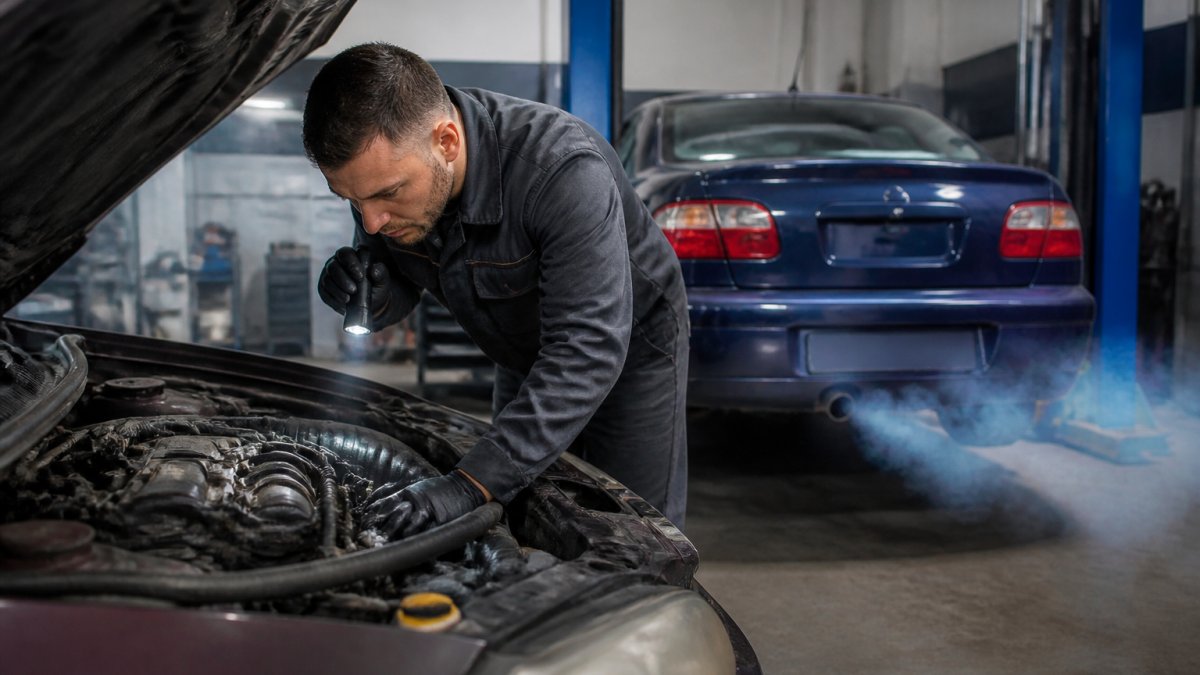
What most guides miss is that these symptoms overlap with smaller problems. A bad PCV valve can mimic oil burning. A loose heat shield can sound like a knock. That's why a proper diagnosis comes before any rebuild talk.
Watch for:
- Blue-gray exhaust smoke that doesn't clear after warm-up
- A deep knock that speeds up with the throttle
- Oil that runs low between changes with no visible leak
- A check engine light with misfire or compression codes
- Coolant mixing with oil, which points to a head gasket
If you see two or more of these, get the engine inspected before driving further.
Engine Overhaul vs. Replacement: How to Decide
The choice between an engine overhaul and a full replacement comes down to three things: block condition, vehicle value, and how long you plan to keep the car. A rebuild restores your existing engine. A replacement swaps in a new or remanufactured unit.
A common mistake is choosing a rebuild when the block is cracked or badly warped. No amount of new parts fixes a damaged block. On the other hand, a sound block with worn rings and bearings is a strong rebuild candidate.
Use this simple comparison:
| Factor | Overhaul | Replacement |
|---|---|---|
| Best for | Sound block, worn internals | Cracked block, severe damage |
| Cost | Usually lower | Usually higher |
| Downtime | Longer | Shorter |
| Match to vehicle | Exact original engine | Must match specs |
If the rest of the vehicle is solid, a rebuild often makes sense. If the car is older and the body is tired, weigh the cost against what the vehicle is worth to you.
Engine Overhaul Time: What the Job Actually Involves
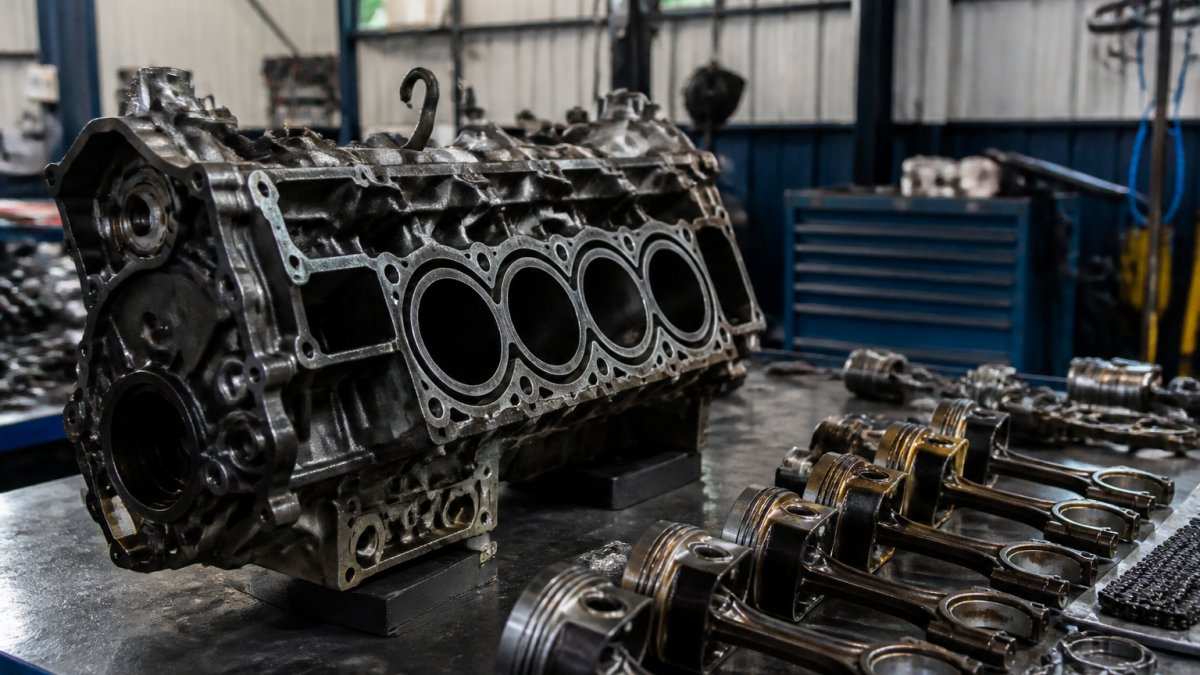
Engine overhaul time typically runs from a few days to a couple of weeks, depending on parts availability and how much machining is needed. The job is not just swapping parts. It's a full teardown and rebuild.
The process usually looks like this:
- Remove the engine from the vehicle
- Disassemble and inspect every component
- Machine or replace worn parts
- Reassemble with new gaskets and seals
- Reinstall and test
Expect the vehicle to be off the road for a while. Ask your shop about scheduling and parts lead time up front so you can plan around it.
Preventive Engine Maintenance That Delays an Overhaul
Preventive engine maintenance is the cheapest way to push back an overhaul. Regular oil changes, clean filters, and steady cooling system care prevent most of the wear that leads to a rebuild.
A common mistake is stretching oil change intervals to save money. That trade rarely pays off. Fresh oil and a good filter protect bearings and rings better than anything else you can do.
Focus on these habits:
- Change oil on schedule, not when you remember
- Replace air and fuel filters as recommended
- Keep coolant at the right level and mix
- Fix small leaks before they grow
- Address warning lights early
For a full walkthrough, see our guide on how to extend your vehicle engine life. If you want a simple schedule to follow, our routine vehicle maintenance checklist covers what to check and when.
Booking an Engine Inspection at AutoMedix in St. Augustine
If you're seeing the signs above, don't wait for a breakdown. At AutoMedix, we can inspect your engine and walk you through what needs attention now and what can wait. Our skilled technicians work on all vehicle types, from routine maintenance to major overhauls. We focus on extending your vehicle's life and cutting the risk of costly repairs.
Looking for a shop near me you can trust? Our guide on how to find trustworthy car repair shops walks you through the questions to ask. Then book an inspection with us and get straight answers about your engine.
Frequently Asked Questions
What are the signs that an engine needs a major overhaul?
The clearest signs are blue-gray smoke from the tailpipe, a steady drop in oil level between changes, knocking or ticking noises that worsen with load, overheating that returns after cooling-system repairs, and a noticeable loss of power or fuel economy. Any one of these is worth an inspection. Two or more appearing together usually means compression and leak-down testing is the next step, which tells you whether the problem is internal to the engine or something simpler.
How do I know if my engine needs rebuilding or replacing?
The engine overhaul vs. replacement decision usually comes down to three things: the condition of the block and heads, the vehicle's overall condition, and how long you plan to keep it. If the block and crankshaft are sound and the rest of the car is solid, a rebuild is often the better value. If the block is cracked or the vehicle has rust and transmission issues, a replacement or a different car may make more sense. A compression test and a visual inspection give you the facts to decide.
How long does a major engine overhaul take?
Engine overhaul time depends on the engine and what the teardown reveals. A straightforward rebuild on a common four-cylinder can take several days of shop time, while a V8 or a job that needs machine work on the block and heads can run one to two weeks or more. Parts availability is often the biggest variable. Ask for a written estimate of the timeline before work begins so you can plan transportation.
Can regular maintenance delay the need for an engine overhaul?
Yes. Preventive engine maintenance is the single biggest factor in how long an engine lasts. Oil and filter changes at the manufacturer's interval, coolant flushes, timely replacement of the timing belt or chain, and fixing small leaks before they starve the engine of oil all add miles. Skipping oil changes is the most common cause of sludge buildup that leads to bearing wear and, eventually, a rebuild. Keep records and follow the owner's manual schedule.
Your engine won't tell you when it's about to fail, but the warning signs will. If smoke, noise, or oil loss has you worried, don't guess. AutoMedix offers thorough engine inspections, honest diagnostics, and full overhaul service for drivers across St. Augustine and the surrounding FL area. Get started with AutoMedix and know exactly where your engine stands before a small problem becomes a major one.