 How-to
7 Steps to Identify Honest Auto Mechanics
Last Updated: October 25, 2026
Quick Summary
To identify honest auto mechanics, verify ASE certifications through the National Institute for Automotive Service Excellence, request written estimates that break down parts, labor, and warranty terms, and check complaint records with the Better Business Bureau and your state attorney general. Ask mechanics to show diagnostic evidence such as scan data or photos before authorizing work, and get a second opinion for major repairs from an independent shop.
- ASE certifications must be renewed and verified through ASE's online credential lookup by name and certification number.
- Written estimates should separate diagnosis, parts list with part numbers, labor hours and rate, and fees into four distinct lines for comparison.
- Common labor warranties run 12 months or 12,000 miles, but terms vary by shop and job.
- Red flags include pressure to decide immediately, vague diagnoses without test results, refusal to show damage, and no written estimate.
- Get a second opinion from a different shop without disclosing the first shop's findings to confirm diagnosis independently.
Table of Contents
- Step 1: Check Certifications, Training, and Credentials
- Step 2: Ask the Right Questions to Ask a Mechanic
- Step 3: Request a Written Estimate and Review It Carefully
- Step 4: Recognize Auto Repair Red Flags
- Step 5: Get a Second Opinion for Car Repair Estimate
- Step 6: Learn How to Avoid Unnecessary Car Repairs
- Step 7: Build a Relationship with a Trusted Repair Shop
- Start Your Search for a Reliable Mechanic
- Frequently Asked Questions
Step 1: Check Certifications, Training, and Credentials
Most guides stop at "look for ASE certification." The useful part is verifying it, knowing what it covers, and where to check for complaints.
Ask about manufacturer-specific training. Independent shops can earn recognition through programs like the ASE Blue Seal of Excellence, which requires a high percentage of certified technicians across service areas.
Check state licensing and registration where it applies. Regulation varies by state.
Confirm warranty terms in writing before work begins. Ask for the parts and labor warranties separately, and get duration and exclusions in the estimate or repair order.
A shop that answers these questions directly and produces documentation demonstrates the transparency needed to identify honest auto mechanics you will rely on when a repair goes wrong. That is the practical test of an honest mechanic, not a plaque on the wall.
Step 2: Ask the Right Questions to Ask a Mechanic
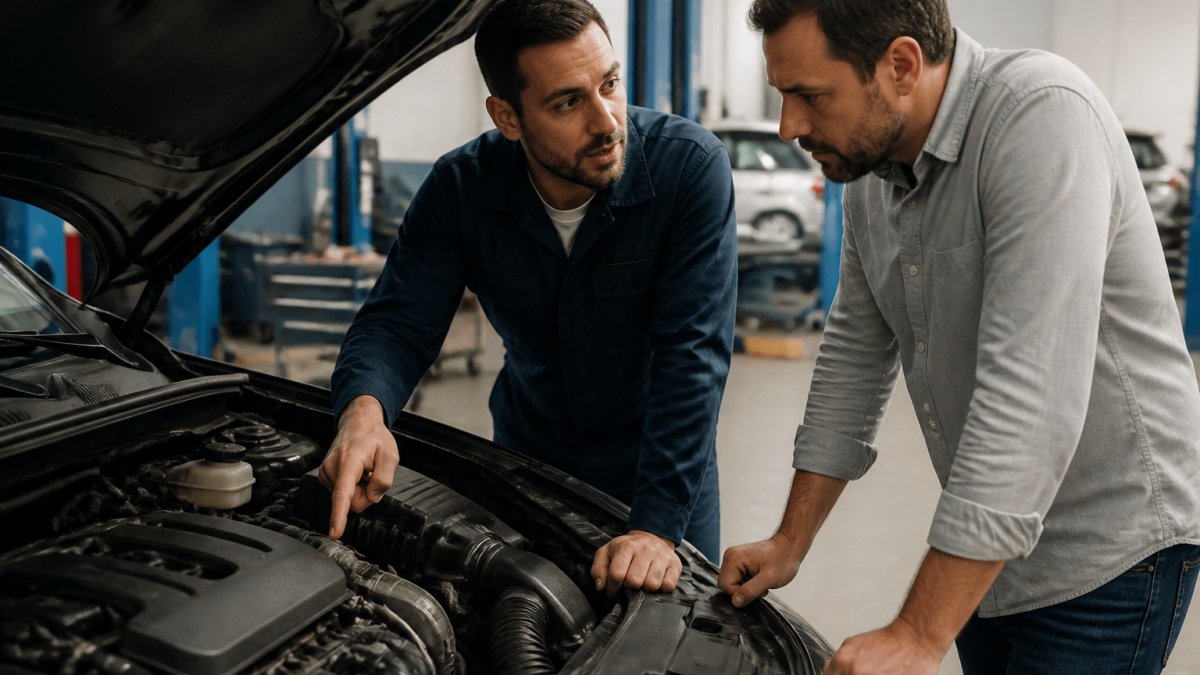
Before any work begins, ask specific questions about the diagnosis and repair plan. The best mechanics welcome questions and explain things in ways you can understand.
Strong questions to ask include:
- "What exactly is wrong with my vehicle, and how did you diagnose it?"
- "Why does this part need to be replaced instead of repaired?"
- "What would happen if I delay this repair?"
- "Are there temporary solutions or less expensive alternatives?"
- "How long will this repair take, and what's your warranty on the work?"
A trustworthy mechanic answers these questions directly without getting defensive, explaining technical issues in plain language rather than jargon.
Pay attention to how they communicate. Do they speak to you as a partner in the decision, or talk down to you?
Step 3: Request a Written Estimate and Review It Carefully
A written estimate is only useful if you can read it like a scope of work.
Read the estimate as four separate lines. Look for (1) the diagnosis or complaint as written, (2) the parts list with part numbers or at least brand and type (OEM versus aftermarket versus remanufactured), (3) labor hours and the labor rate, and (4) fees such as shop supplies, disposal, or diagnostic charges. An estimate that bundles these into one total makes comparison impossible. Ask the shop to break them out.
Compare scope before comparing price. Two estimates for the same complaint can differ because one shop replaces an assembly while the other repairs a component, or because one includes a related service the other excludes. Write down each scope side by side. If one quote is significantly lower, check whether it uses aftermarket parts, excludes a needed alignment or relearn procedure, or omits diagnostic time.
Understand the diagnostic charge. Many shops charge a diagnostic fee, commonly around one hour of labor, and some apply it toward the repair if you authorize the work.
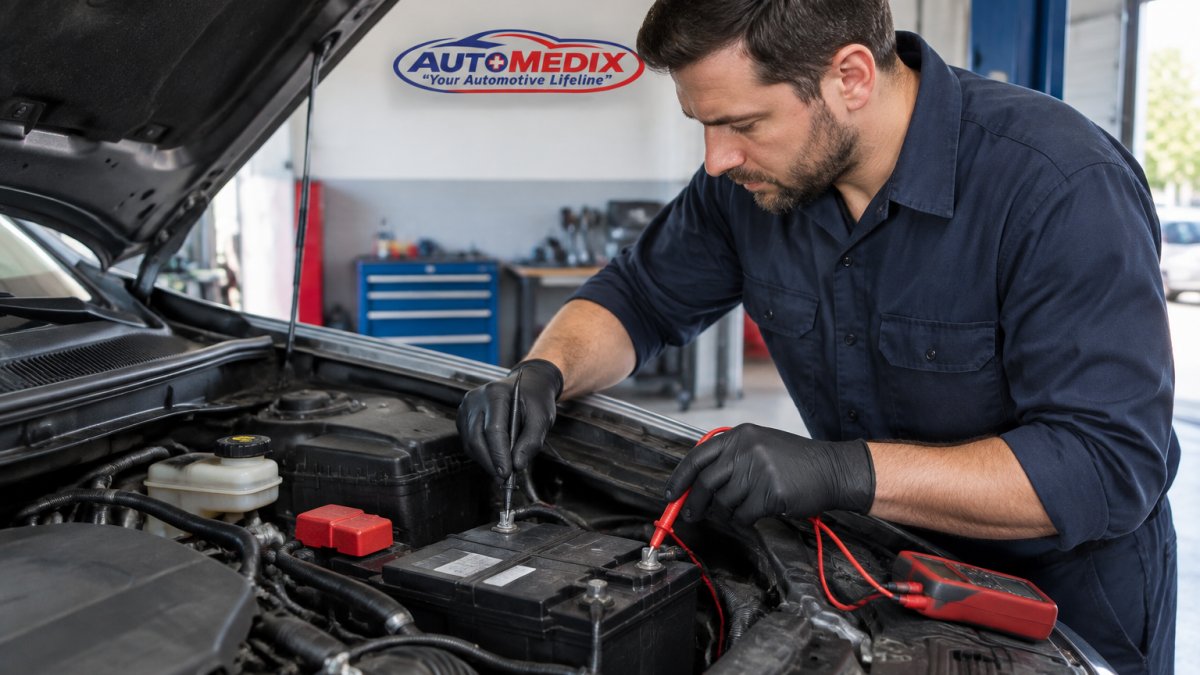
Ask for evidence behind the diagnosis. Modern shops use scan tools that read diagnostic trouble codes, live data, and freeze-frame information, and many use digital inspection software that attaches photos and videos to the repair order.
Pause before authorizing additional work. The repair order should state that no work beyond the authorized estimate will be performed without your approval.
When an estimate or diagnosis seems suspicious, follow an escalation path. First, do not authorize the work. Second, request the diagnosis in writing, including test results, part numbers, and photos. Third, pay any diagnostic fee you agreed to and take the vehicle, or ask the shop to hold it while you arrange a second opinion. Fourth, get an independent diagnosis from another shop without disclosing the first shop's findings. Fifth, if you believe you were charged for unauthorized work, document everything, request an itemized invoice, and contact your state attorney general's consumer protection division or local consumer agency.
Check the warranty terms against the scope. Confirm in writing how long parts and labor are covered, whether the warranty is honored at other locations, and what voids it. A strong warranty on a poorly scoped repair is worth less than a modest warranty on a complete one. Compare warranty terms alongside price and scope, not after choosing on price.
Step 4: Recognize Auto Repair Red Flags
Certain warning signs indicate a mechanic you should avoid. Watch for shops that pressure you into immediate decisions without time to think or get a second opinion.
Key red flags include:
- Pressure to decide immediately, "This repair needs to happen today or your car won't be safe"
- Vague diagnoses, "Your transmission is probably failing" without specific test results
- Upselling unnecessary services, Recommending expensive repairs you didn't ask about
- Refusing to show you the damage, "Trust me, you don't need to see it"
- No written estimate, Verbal quotes with no documentation
- Unwillingness to explain repairs, Dismissing your questions or getting annoyed
- No certifications displayed, Can't or won't show you credentials
- Extremely low prices, Suspiciously cheap estimates compared to others
A common tactic is the "while we have it apart" approach, where a mechanic finds new problems during routine work and recommends expensive fixes. Sometimes these are legitimate; other times they're unnecessary upsells. Ask the mechanic to call you before doing any work beyond what you authorized.
Watch for these warning signs that indicate a mechanic or shop you should avoid.
| Red Flag | What It Means |
|---|---|
| Pressure to decide immediately | Shop claims repair must happen today or car won't be safe |
| Vague diagnoses | Mechanic offers no specific test results or measurements |
| Upselling unnecessary services | Recommending expensive repairs you didn't ask about |
| Refusing to show you the damage | Mechanic won't let you see the failed part or evidence |
| No written estimate | Only verbal quotes with no documentation provided |
| Unwillingness to explain repairs | Dismissing your questions or getting annoyed by them |
| No certifications displayed | Can't or won't show credentials or ASE certification |
| Extremely low prices | Suspiciously cheap estimates compared to other shops |
Step 5: Get a Second Opinion for Car Repair Estimate
Getting a second opinion for a car repair estimate is one of the smartest decisions you can make, especially for major repairs. It protects you from overpaying or authorizing unnecessary work.
Take your vehicle to a different shop and have them diagnose the same problem. Don't tell them what the first shop found. Let them reach their own conclusions independently.
When the estimates differ significantly, ask each shop why. Sometimes the difference reflects different repair approaches. One shop might replace a part while another rebuilds it.
If a third shop's estimate aligns with one of the first two, that's your confirmation.
Step 6: Learn How to Avoid Unnecessary Car Repairs
Many vehicle owners pay for repairs they don't actually need. The best defense is staying informed about your vehicle's maintenance schedule and actual condition.
Follow your vehicle's manufacturer maintenance schedule. Your owner's manual outlines when specific services are due based on mileage and time. Don't let a shop convince you maintenance is due before the manufacturer recommends it.
Ask mechanics to show you the actual evidence of problems. "Your brakes are wearing" means nothing without specifics. How much pad remains? What's the measurement in millimeters?
Be skeptical of shops that recommend major repairs during routine maintenance visits. A brake inspection doesn't usually lead to transmission work.
Learn basic vehicle maintenance yourself.
Step 7: Build a Relationship with a Trusted Repair Shop
Finding an honest auto mechanic is valuable, but building a long-term relationship with them is even better. Once you've identified a trustworthy shop, stick with them.
A good relationship with your mechanic means:
- They know your vehicle's complete service history
- They understand your priorities (safety versus cost savings)
- They call before recommending expensive work
- They remember your preferences for parts and warranty
- They give you honest advice, even when it means less work for them
Visit the same shop for routine maintenance. Oil changes, tire rotations, and filter replacements build familiarity, so when you need major work, your mechanic already understands your vehicle and your expectations.
Share feedback with your mechanic when they do good work.
At AutoMedix, we build relationships with vehicle owners by prioritizing transparency and honest diagnosis. Our skilled technicians explain every repair recommendation and show you the evidence before proceeding.
Start Your Search for a Reliable Mechanic
The effort to identify honest auto mechanics requires time, but the investment pays off in money saved and peace of mind gained.
Check online reviews on Google, Yelp, and the Better Business Bureau.
When you've narrowed your choices, visit the shop in person. Are they welcoming or dismissive? Do they answer questions patiently or rush you along?
Ask about their diagnostic process. Do they use computerized diagnostic tools, and can they show you the actual data they're reading from your vehicle's computer?
Consider visiting best car repair shops how to find trustworthy service to explore additional resources for finding shops in your area that match your needs and values.
Frequently Asked Questions
How do I know if a mechanic is trustworthy?
A trustworthy mechanic communicates clearly about repairs, provides written estimates before starting work, holds relevant certifications like ASE (Automotive Service Excellence), and welcomes your questions without pressure tactics. They explain diagnoses using language you understand, show you the damaged parts, and respect your decision to seek a second opinion. Check online reviews for patterns of honest service and transparency across multiple platforms.
What are the red flags of a bad mechanic?
Watch for mechanics who pressure you into immediate decisions, refuse to provide written estimates, avoid explaining the problem clearly, or recommend expensive repairs without diagnostic evidence. Red flags include vague labor charges, refusal to show damaged parts, reluctance to discuss your vehicle's maintenance history, and dismissal of your concerns. If a shop resists your questions or discourages a second opinion, find another repair shop.
Should I get a second opinion on a car repair estimate?
Yes, especially for major repairs costing over $500 or when the diagnosis seems unclear. A second opinion helps you compare repair recommendations and pricing across shops. Honest mechanics understand this practice and don't view it as a lack of trust. Getting multiple estimates protects you from unnecessary repairs and helps you understand fair pricing for your vehicle's specific issue.
What questions should I ask a mechanic before approving a repair?
Ask what the problem is, what caused it, and why the repair is necessary now. Request an itemized estimate showing parts and labor costs separately. Ask about the timeline, warranty on parts and labor, and whether you can approve repairs in stages. Ask if routine maintenance is due or if recommended services are optional. These questions help you identify honest mechanics who value transparency and customer approval before proceeding with work.
The difference between an honest mechanic and one focused on maximizing profits often comes down to transparency. You deserve a mechanic who explains what's wrong, shows you the evidence, provides written estimates, and respects your questions. Take time to find that shop. Build a relationship based on trust. The peace of mind is worth far more than any money you might save by rushing into the first available option.