 blog
blog
Best Car Repair Shops: How to Find Trustworthy Service
Table of Contents
- What Makes the Best Car Repair Shops Stand Out
- How to Choose a Car Repair Shop You Can Trust
- Routine Car Maintenance Checklist to Prevent Costly Repairs
- Understanding Auto Repair Cost Estimates
- Services You Should Expect from a Full-Service Repair Shop
- Red Flags: What to Avoid When Selecting an Auto Shop
- Frequently Asked Questions
Last Updated: September 30, 2026
What Makes the Best Car Repair Shops Stand Out
Finding the best car repair shops means understanding what separates trustworthy service from places that prioritize profit over quality. The best car repair shops share specific characteristics that protect your vehicle and your wallet. These shops employ certified technicians, provide transparent pricing, and maintain strong customer satisfaction records.
A common mistake vehicle owners make is choosing a repair shop based on price alone. The lowest estimate often signals corners being cut or work being rushed. Shops that stand out invest in proper diagnostics, modern equipment, and ongoing technician training. They understand that honest service builds long-term customer relationships.
The right repair partner extends vehicle longevity and prevents costly breakdowns. The difference between a mediocre shop and an excellent one comes down to three factors: expertise, transparency, and accountability.
How to Choose a Car Repair Shop You Can Trust
Selecting a car repair shop requires evaluating several key criteria before you need emergency service. Start by researching shops in your area and reading customer reviews across multiple platforms. Look for patterns in feedback, consistent praise for honesty and quality matters more than a single glowing review.
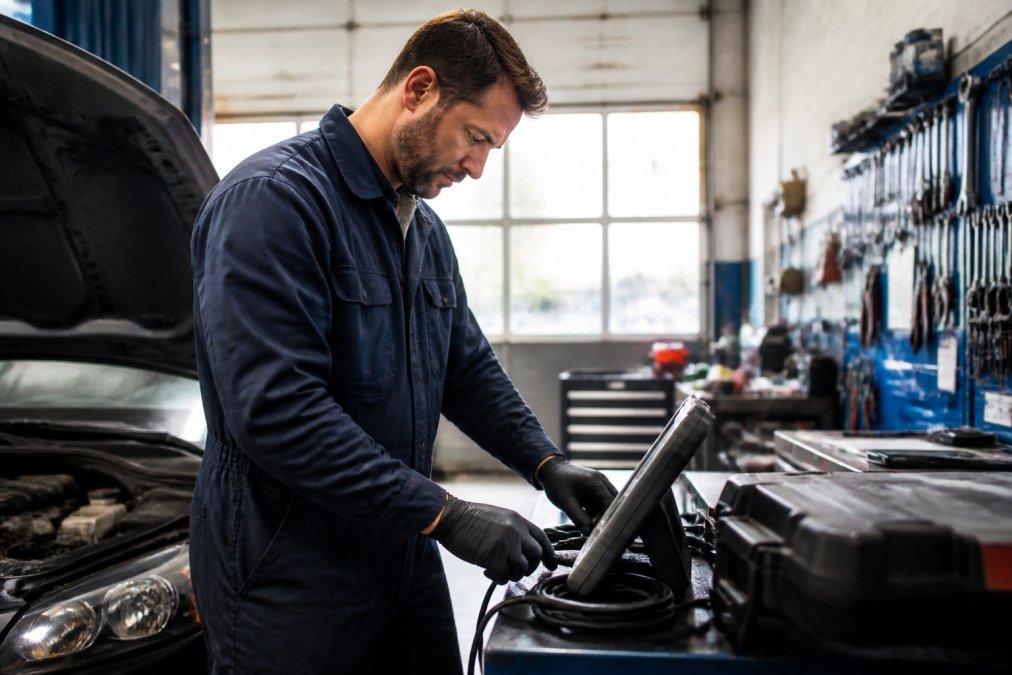
Visit potential shops in person if possible. A well-organized facility with clean work areas signals professionalism. Ask to speak with a service advisor about your vehicle's maintenance history and upcoming needs. The best shops ask questions about your concerns rather than immediately recommending expensive repairs.
Certified Technicians and Credentials
Certified technicians have passed rigorous testing and stay current with industry standards. Look for ASE (Automotive Service Excellence) certification, which requires passing comprehensive exams and maintaining ongoing education. ASE-certified technicians understand current vehicle technology, including computer diagnostics systems that many newer vehicles require.
When you contact a shop, ask about technician certifications directly. Don't accept vague answers like "our mechanics are experienced." Specific credentials matter because they indicate formal training and accountability. Shops that employ certified technicians typically display their certifications prominently in the waiting area or on their website.
A shop that specializes in specific vehicle types often provides better service than a generalist. Specialized shops invest in training and equipment specific to those vehicles' unique systems.
Transparent Pricing and Written Estimates
Before any work begins, request a written estimate that breaks down labor costs and parts pricing. The estimate should specify how long repairs will take and which parts will be replaced. This written documentation protects both you and the shop by establishing clear expectations.
Transparent shops explain why repairs are necessary. They show you worn parts, explain diagnostic findings, and answer questions about repair options. If a shop recommends expensive work, ask them to demonstrate the problem. Many shops can show you worn brake pads, failing components, or diagnostic trouble codes on their equipment.
Compare estimates from multiple shops for major repairs. This isn't about finding the cheapest option, it's about understanding whether recommendations are consistent. If one shop recommends extensive transmission work while another says your transmission is fine, that discrepancy matters. Get a second opinion before authorizing major repairs.
Customer Reviews and Service History
Online reviews reveal patterns in how shops treat customers. Focus on recent reviews from the past year rather than older feedback. Look for specific comments about honesty, communication, and whether customers felt their concerns were addressed.
The best car repair shops maintain detailed service records for each vehicle. Ask about their record-keeping system. A shop that documents previous repairs, parts replaced, and technician notes helps you track your vehicle's maintenance history. This information becomes valuable when you're deciding whether recommended work is truly necessary.
Some shops offer online portals where you can view your service history and upcoming maintenance recommendations. This transparency builds trust and helps you plan vehicle expenses.
Routine Car Maintenance Checklist to Prevent Costly Repairs
Regular maintenance prevents emergency repairs that cost far more than scheduled service. Many vehicle owners skip routine maintenance and later face expensive breakdowns that could have been prevented. The best car repair shops emphasize preventative maintenance because it protects vehicles and reduces emergency situations.
Your vehicle's owner manual specifies maintenance intervals. Following these recommendations keeps your warranty valid and prevents premature wear on critical components. Most modern vehicles need service every 5,000 to 10,000 miles, though some newer models extend intervals further.
Monthly and Seasonal Checks
Check your tire pressure monthly and before long trips. Underinflated tires reduce fuel efficiency, wear unevenly, and affect handling. Most vehicles have tire pressure specifications inside the driver's door jamb or in the owner's manual. Proper tire pressure saves money on fuel and extends tire life.
Inspect your fluid levels monthly, oil, coolant, brake fluid, and windshield washer fluid. Low fluid levels indicate potential leaks or normal consumption. Catching leaks early prevents engine damage or brake failure. Top off fluids as needed, but if levels drop frequently, have a technician investigate the cause.
Seasonal changes require specific attention. Before winter, ensure your battery has adequate charge capacity, as cold weather reduces battery performance. Check wiper blades and ensure your heating system works properly. Before summer, verify your air conditioning system functions and check coolant levels to prevent overheating.
Scheduled Service Intervals
Oil changes remain the most critical maintenance task. Even synthetic oils that last longer than conventional oil need changing at manufacturer-recommended intervals. Fresh oil protects your engine from wear and extends engine life significantly.
Brake inspections should occur annually or when you notice changes in braking performance. Worn brake pads damage rotors, creating more expensive repairs. Replacing pads before they wear through prevents rotor replacement, saving hundreds of dollars.
Transmission fluid, coolant, and other specialty fluids have specific replacement intervals. Refer to your owner's manual for exact recommendations. The best car repair shops track these intervals and remind customers when service is due.
Understanding Auto Repair Cost Estimates
Repair costs vary based on your vehicle type, the parts needed, and labor rates in your area. Understanding what a fair estimate includes helps you evaluate whether quoted prices are reasonable. The best car repair shops provide detailed estimates that break down every cost component.
What a Fair Estimate Should Include
A complete estimate lists each repair needed, the parts required, and the labor hours for each job. It should specify whether parts are OEM (original equipment manufacturer) or aftermarket parts, as this affects pricing. Some shops offer multiple options, for example, using factory parts versus quality aftermarket alternatives.
The estimate should include the shop's labor rate, which varies by location and shop specialization.
Comparing Estimates Across Shops
When comparing estimates from multiple shops, ensure they're quoting identical work. One shop might recommend replacing a component while another suggests repair, these aren't comparable estimates. Ask each shop to explain their recommended approach.
Services You Should Expect from a Full-Service Repair Shop
A full-service automotive service center handles everything from routine maintenance to major overhauls. A full-service automotive service center handles everything from routine maintenance to major overhauls. This means you can trust one shop with your vehicle's complete care.
Red Flags: What to Avoid When Selecting an Auto Shop
Certain warning signs indicate a shop prioritizes profit over customer service. Avoid shops that pressure you into immediate repairs without explanation or time to consider options. Trustworthy shops respect your decision-making process and welcome questions.
| Evaluation Criterion | What to Look For | Why It Matters |
|---|---|---|
| Certifications | ASE-certified technicians | Ensures formal training and accountability |
| Estimates | Written, itemized breakdown | Prevents surprise charges and enables comparison |
| Reviews | Recent feedback mentioning honesty | Reveals patterns in customer treatment |
| Transparency | Explains repairs and shows problems | Builds trust and prevents overselling |
| Organization | Clean facility, detailed records | Indicates quality control and professionalism |
| Warranties | Coverage on parts and labor | Demonstrates confidence in workmanship |
Frequently Asked Questions
How do I find a reliable mechanic in my area?
Look for shops with certified technicians (ASE-certified is a strong indicator), positive customer reviews, and transparent pricing practices. Ask friends and family for referrals, check online reviews for patterns of honest service, and verify the shop offers written estimates before starting work. A reliable mechanic will explain what repairs are necessary versus recommended, and won't pressure you into unnecessary services.
What should I look for when choosing a car repair shop?
Prioritize certified technicians, warranty on parts and labor, clear communication about repair needs, and fair pricing. Check if they handle your vehicle type and offer diagnostic services. Read customer reviews focusing on honesty, timeliness, and whether customers felt their concerns were addressed. Ask about their approach to preventative maintenance and whether they provide written estimates upfront.
How often should I get routine car maintenance?
Follow your vehicle manufacturer's maintenance schedule, typically found in your owner's manual. Most vehicles need oil changes every 5,000 to 10,000 miles, tire rotations every 6,000 to 8,000 miles, and brake inspections annually. Regular preventative maintenance catches small issues before they become expensive repairs and extends your vehicle's lifespan. A trusted auto repair shop can help you understand your specific vehicle's needs.
What should be included in an auto repair cost estimate?
A complete estimate should list the specific parts needed, labor costs with hourly rates, warranty information, and the total cost. It should describe the problem, explain why the repair is necessary, and distinguish between critical repairs and recommended maintenance. Get estimates in writing, and don't hesitate to ask questions about any line item. Comparing estimates from multiple shops helps ensure fair pricing.