 How-to
How Can You Avoid Unnecessary Car Repairs?
Last Updated: October 29, 2026
Quick Summary
To avoid unnecessary car repairs, follow the maintenance schedule in your owner's manual rather than a shop's upsell sheet, and fix what's due while skipping what isn't. Before approving any work, ask what test confirmed the problem, request a written estimate with parts and labor, and get a second opinion on big-ticket jobs.
- Fix what's due and skip what isn't, and question shops pushing services your manual doesn't list.
- Ask what test confirmed the problem, whether you can see the failed part, and what happens if you wait.
- Take the written estimate to another shop for an independent diagnosis without revealing the first shop's findings.
- Ignoring a check-engine light or a new noise is the most common way a cheap fix becomes costly.
- The FTC backs your right to a written estimate and to keep replaced parts.
Table of Contents
- Start With a Preventive Car Maintenance Schedule
- Questions to Ask a Mechanic Before Repairs
- How to Get a Second Opinion on Car Repairs
- Use a Car Repair Estimate Checklist Before You Approve Anything
- Common Mistakes That Lead to Unnecessary Car Repairs
- Book a Transparent Inspection at AutoMedix in St. Augustine
- Frequently Asked Questions
Start With a Preventive Car Maintenance Schedule
The best way to avoid unnecessary car repairs is to follow the maintenance schedule in your owner's manual, not a shop's upsell sheet. Preventive maintenance catches small problems before they become expensive ones.
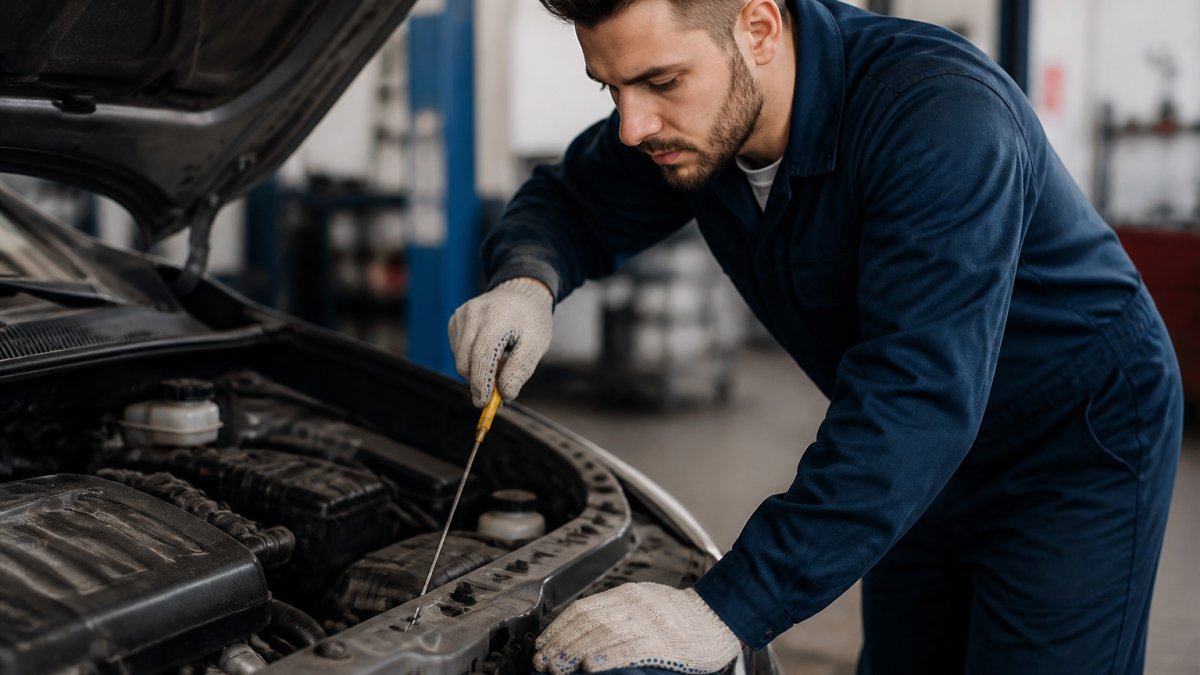
A preventive car maintenance schedule is a calendar of routine services tied to your mileage and driving habits. It covers oil changes, tire rotations, brake checks, fluid top-offs, and filter replacements.
Here's what a basic schedule looks like:
| Service | How Often | Why It Matters |
|---|---|---|
| Oil and filter change | Per manual, often 5,000-7,500 miles | Prevents engine wear |
| Tire rotation | Every 5,000-8,000 miles | Even tread wear, longer tire life |
| Brake inspection | Every 12,000 miles | Catches pad wear early |
| Fluid checks | Monthly, DIY | Stops small leaks from growing |
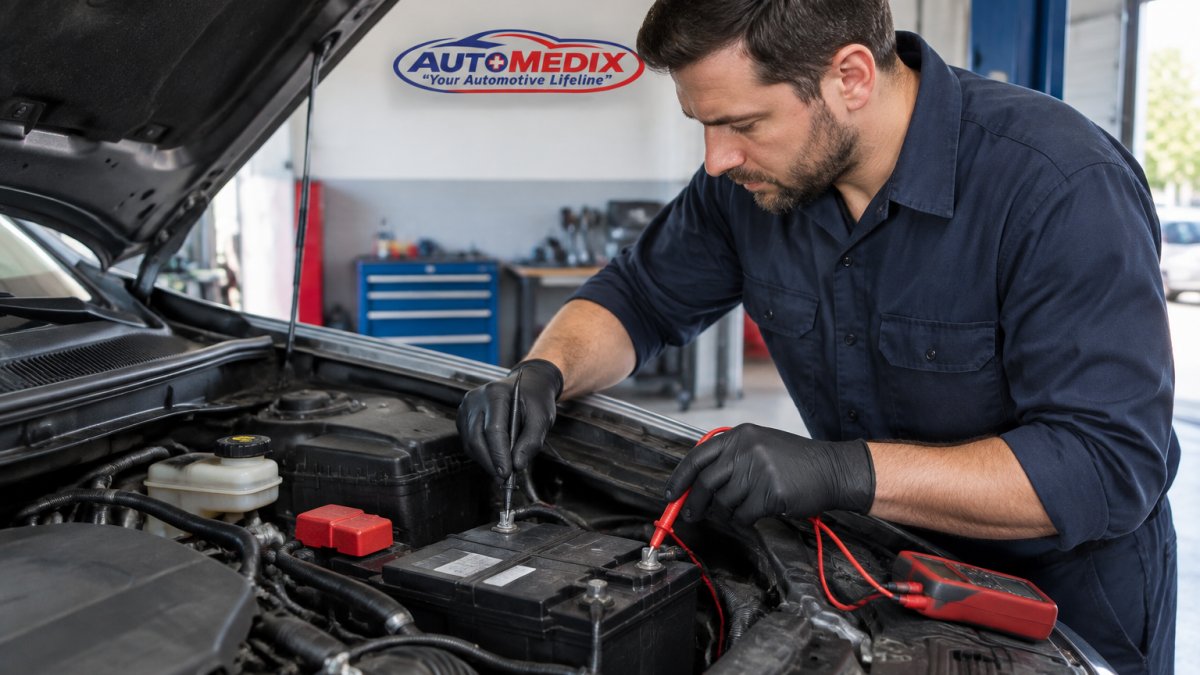
| Battery test | Once a year | Avoids surprise no-starts |
Hot, humid conditions are hard on batteries and belts. Check both more often than the manual suggests. If you want a ready-made list, see what should be in your routine vehicle maintenance checklist and compare it to your manual.
One rule saves the most money: fix what's due, skip what isn't. A shop that pushes services your manual doesn't list is worth questioning.
Questions to Ask a Mechanic Before Repairs
Before you approve any repair, ask three questions: What test confirmed this problem? Can I see the failed part? What happens if I wait? A good mechanic answers all three without hesitation. A vague answer usually means the recommendation isn't solid.
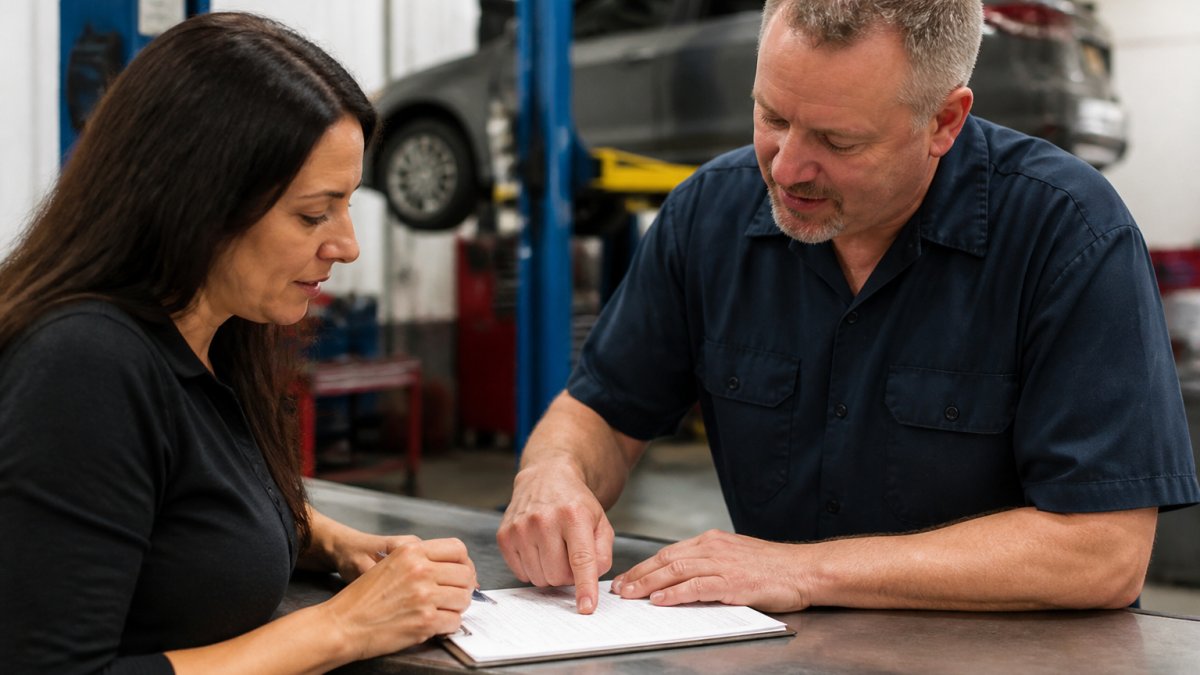
Use these questions to ask a mechanic before repairs:
- "What test or code pointed to this part?"
- "Can you show me the worn part or the diagnostic readout?"
- "Is this urgent, or can it wait a month?"
- "Is this maintenance or a repair?"
- "What's the total out the door, parts and labor?"
That last one matters. A quote that only lists parts isn't a quote. Ask for the full number in writing before anyone touches the car.
If a shop dodges the "show me" question, walk. Transparency is the whole game. For more on spotting a shop you can trust, read how to find trustworthy service.
How to Get a Second Opinion on Car Repairs
Getting a second opinion on car repairs means taking the written estimate to another shop and asking for an independent diagnosis. It costs little or nothing and can save you from paying for work your car doesn't need. Do it any time a quote feels high or vague.
Here's how to do it right:
- Ask for the diagnosis in writing, with the specific part named.
- Don't tell the second shop what the first one said. Let them reach their own conclusion.
- Compare both diagnoses, not just the prices.
- If the two disagree, ask each shop to explain the test behind their call.
The Federal Trade Commission's guidance on auto repair backs your right to a written estimate and to keep replaced parts. Know those rights before you agree to anything.
A second opinion isn't distrust. It's how careful owners avoid paying twice for the same mistake.
Use a Car Repair Estimate Checklist Before You Approve Anything
A car repair estimate checklist is a short set of items you confirm before signing off on work. It turns a stressful moment into a simple yes-or-no review. Run through it every time, even for small jobs.
Check each box before you approve:
- The estimate is in writing, with parts and labor split out
- Each repair lists the symptom and the test behind it
- The shop separates "must fix now" from "can wait"
- You've seen the failed part or the diagnostic readout
- The total matches what you were told verbally
- You know the warranty on parts and labor
- You've asked whether any item is routine maintenance
If two or more boxes are unchecked, pause. Ask questions until they're filled. A shop that welcomes the checklist is a shop worth keeping.
Common Mistakes That Lead to Unnecessary Car Repairs
The biggest cause of unnecessary car repairs is skipping small maintenance until a small fix turns into a big one. Most owners don't get ripped off by crooks. They get burned by delay and by not asking questions.
Watch out: ignoring a check-engine light or a new noise is the single most common way a cheap fix becomes a costly one. That light is your car telling you something early.
Other mistakes we see often:
- Approving repairs without a written estimate
- Saying yes to every "recommended" service without checking the manual
- Skipping oil changes to save a little now
- Letting one shop's diagnosis go unchecked on a big-ticket job
- Choosing a shop on price alone, then paying twice
None of these require bad luck. They require a little attention and a mechanic who explains the why.
Book a Transparent Inspection at AutoMedix in St. Augustine
Avoiding unnecessary repairs comes down to three habits: follow your manual, ask hard questions, and get everything in writing. Do that, and you'll spend money on what your car needs and nothing more.
At AutoMedix, we built our shop around that idea. Our skilled technicians handle everything from routine maintenance to major overhauls. We serve drivers in the St. Augustine area.
Get started with AutoMedix and keep your vehicle running smoothly without paying for repairs it doesn't need.
Frequently Asked Questions
How can I tell if a mechanic is recommending unnecessary repairs?
Ask for the specific symptom, the test that confirmed it, and what happens if you wait. A legitimate recommendation ties each line item to a measurable problem, such as a tire measured at 3/32 inch tread or a brake pad at 2 mm. If a shop cannot show you the worn part, run the test, or explain the consequence of delaying, treat the item as optional. Request the diagnosis in writing and compare it against your owner's manual maintenance schedule before you approve anything.
Should I get a second opinion on a car repair?
Get one when the estimate is large, the diagnosis sounds vague, or the recommended work is not listed in your owner's manual. Pay for a diagnostic at a second shop and ask for the findings in writing rather than a free look, since a paid inspection gives the technician time to actually test the system. Two independent diagnoses that match give you confidence to proceed. If they conflict, ask each shop what test produced its conclusion and go with the one that can show evidence.
What should a written auto repair estimate include?
A complete estimate lists the vehicle's year, make, model and mileage, every part by name and part number, whether each part is new, remanufactured or used, labor hours at a stated rate, shop supplies and tax, and a total. It should also state the diagnosis behind each repair and note which items are safety-critical versus deferrable. Ask for the estimate in writing before any work begins, and confirm that the shop will call you for approval if it finds anything beyond what was quoted.
How do I know if a car repair is urgent or can wait?
Separate safety and drivability items from comfort and convenience items. Brakes, tires, steering, suspension, cooling system leaks and check-engine lights that flash are urgent. A slow power window, a worn cabin filter or a minor cosmetic issue can usually wait. Ask your mechanic to rank each recommendation as must-do now, monitor, or defer, and to note the risk of waiting. That ranking turns a long estimate into a priority list you can budget around.