 How-to
When to Get a Pre-Purchase Car Inspection
Table of Contents
- When to Schedule a Pre-Purchase Inspection
- Why a Pre-Purchase Inspection Matters
- What a Pre-Purchase Inspection Covers
- Pre-Purchase Inspection Checklist
- How Much Does a Pre-Purchase Car Inspection Cost
- What to Do If a Seller Refuses a Pre-Purchase Inspection
- Finding a Qualified Mechanic for Your Inspection
- Negotiating After Inspection Results
- Frequently Asked Questions
Last Updated: October 4, 2026
When to Schedule a Pre-Purchase Inspection
A pre-purchase car inspection is a comprehensive evaluation of a vehicle's condition before you finalize the purchase. Timing matters because it determines your negotiating power and protects your investment.
Before Making an Offer
Schedule an inspection before you commit to a purchase agreement. You can walk away without penalty if problems emerge.
An inspection before your offer reveals deal-breakers early and prevents emotional attachment to a vehicle that needs major work.
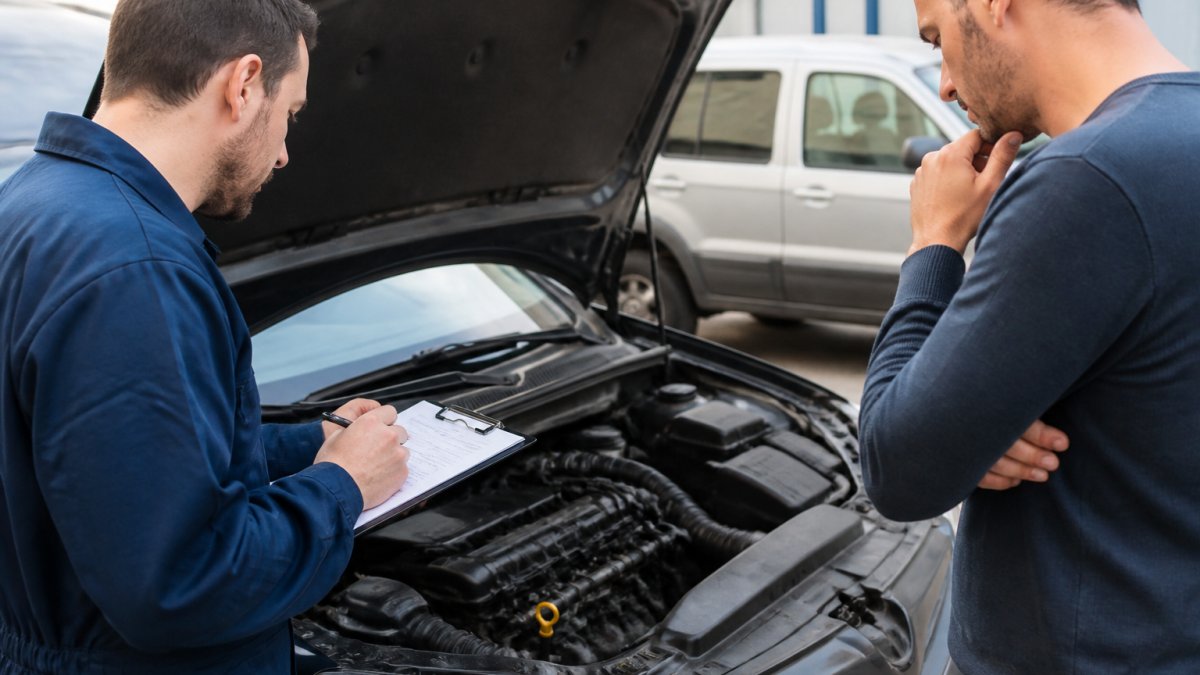
Contact a qualified mechanic as soon as you find a vehicle you're seriously considering. Ask the seller if you can bring the car to a shop for evaluation. Most allow this; some dealerships charge a fee, so ask upfront.
The inspection at this stage answers a simple question: Is this vehicle worth pursuing? If the mechanic finds major issues, you can negotiate the price down or walk away entirely.
After Offer Acceptance but Before Finalizing
Once your offer is accepted, schedule a second inspection if you haven't done one yet. This final checkpoint confirms nothing has changed and that the seller hasn't made repairs that hide underlying problems.
Most purchase agreements include a contingency clause that lets you back out if the inspection reveals significant issues. The contingency period is typically 3-5 days, use this time to get the inspection done and review results.
If you're buying from a dealership, request the inspection during business hours. Dealerships often have service departments. Ask if they'll allow an independent mechanic to inspect the vehicle on their lot.
Why a Pre-Purchase Inspection Matters
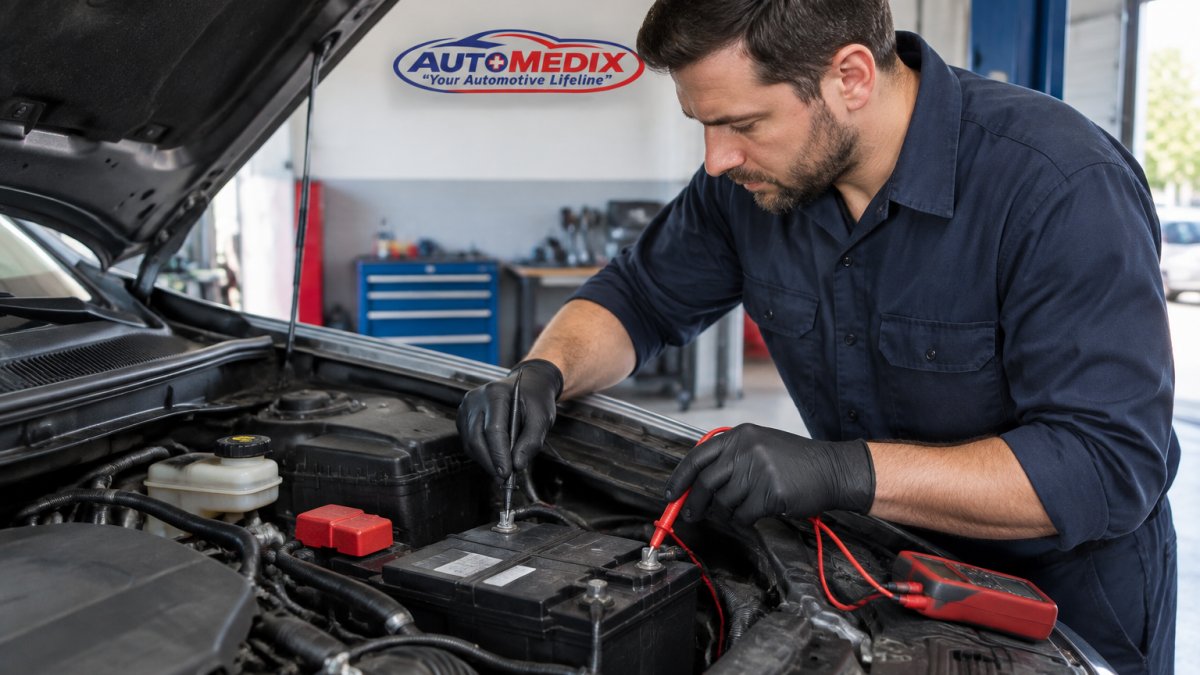
The inspection protects you from expensive surprises. A mechanic uses diagnostic tools to check the engine, transmission, brakes, suspension, electrical systems, and undercarriage for rust, frame damage, and leaks. They pull the vehicle history report to cross-check maintenance records.
Without an inspection, you're buying blind. A vehicle that drives fine might have a failing transmission, internal engine damage, or a bent frame from an accident, problems costing thousands to fix.
An inspection gives you facts to negotiate with confidence. If issues are found, you can ask the seller to fix them, lower the price, or walk away.
What a Pre-Purchase Inspection Covers
A comprehensive inspection examines every major system. Here's what a qualified mechanic checks:
Engine and Transmission
- Engine performance and compression
- Oil condition and leaks
- Transmission fluid and shifting quality
- Signs of overheating or internal damage
Brakes and Suspension
- Brake pad thickness and rotor condition
- Brake fluid quality
- Suspension components for wear and damage
- Steering response and alignment
Electrical and Safety
- Battery condition and charging system
- Lights, wipers, and warning systems
- Airbag system status
- Seat belt operation
Body and Frame
- Rust and corrosion
- Frame damage from accidents
- Paint thickness (indicates repainting)
- Door and window alignment
Fluids and Leaks
- Engine oil, coolant, and transmission fluid
- Brake fluid and power steering fluid
- Signs of leaks under the vehicle
Tires and Wheels
- Tire tread depth and wear patterns
- Wheel condition and alignment
- Spare tire and jack
A mechanic also runs the vehicle's diagnostic computer. Modern cars store fault codes that reveal problems. An OBD-II scanner pulls these codes. They show what systems have issues or warnings.
What a Pre-Purchase Inspection Cannot Detect
A pre-purchase inspection is a snapshot of the vehicle's condition on the day of inspection, it cannot predict future failures or detect all hidden problems.
Intermittent Electrical Issues Intermittent problems like flickering dashboard lights or power windows that work sometimes may not appear during inspection. If the seller mentions electrical quirks, ask the mechanic to test those systems specifically.
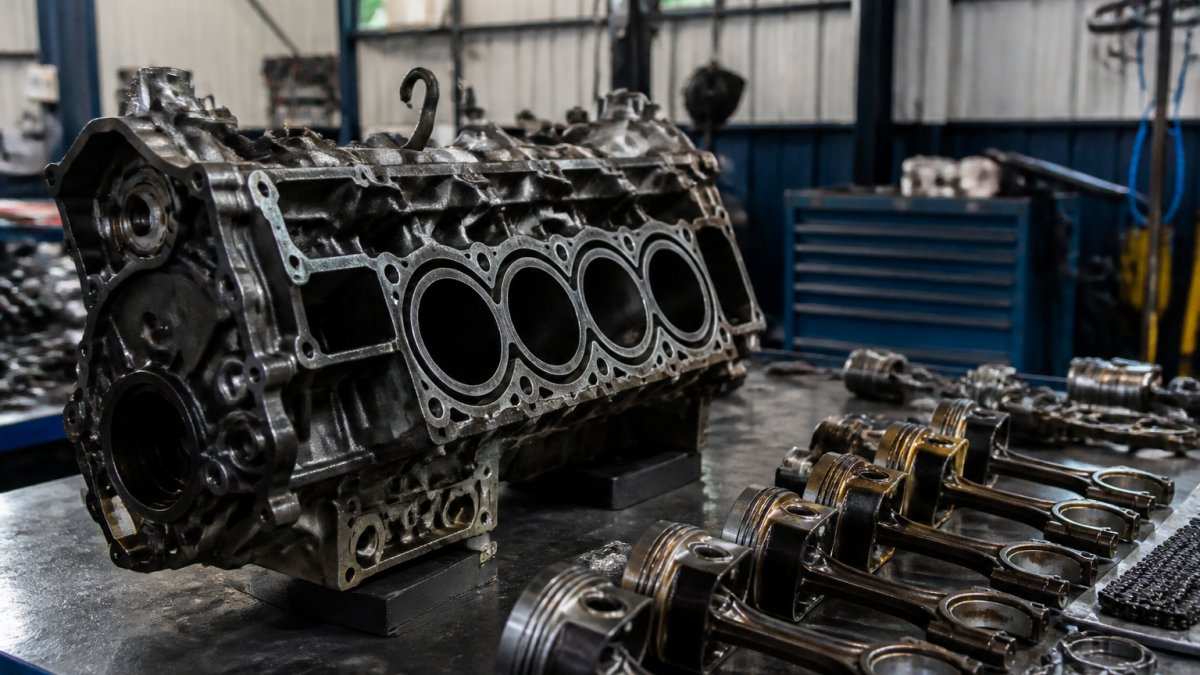
Internal Engine and Transmission Wear A compression test and fluid analysis can reveal some internal damage, but not all wear. A vehicle might pass inspection and develop major mechanical failure later. This is why extended warranties and vehicle history reports are valuable supplements.
Rust and Frame Damage Below the Surface A mechanic can spot visible rust and repainting, but cannot see corrosion inside door panels or frame rails. Deep structural rust may not be apparent. In heavy road salt regions, hidden rust is common and may be missed.
Accident History Not Recorded in the Title A PPI can reveal signs of accident damage, but not every repair. A vehicle history report (Carfax or AutoCheck) is essential, it shows reported accidents, but only if reported to insurance or a repair shop.
Future Maintenance Costs An inspection identifies current problems but cannot predict when major maintenance is due. Ask the mechanic about the maintenance schedule and what major services are coming up based on mileage.
Transmission Fluid Condition in Sealed Systems Some modern transmissions are sealed. A mechanic cannot easily check fluid condition without specialized equipment. If never serviced, internal wear may be invisible.
Software and Computer Issues An OBD-II scanner reads stored fault codes but cannot detect all software glitches. Research the specific make, model, and year for known issues before the inspection.
After the inspection, combine the mechanic's report with a vehicle history report and research on the specific model's known issues. This three-part approach gives you the most complete picture of what you're buying.
Pre-Purchase Inspection Checklist
Use this checklist to track what gets inspected and what the mechanic finds:
| Component | What to Check | Status | Notes |
|---|---|---|---|
| Engine | Compression, leaks, performance | ✓ or ✗ | Record any issues |
| Transmission | Fluid condition, shifting | ✓ or ✗ | Smooth operation? |
| Brakes | Pad wear, rotor condition | ✓ or ✗ | Brake life remaining? |
| Suspension | Springs, shocks, alignment | ✓ or ✗ | Handling issues? |
| Tires | Tread depth, wear pattern | ✓ or ✗ | Replacement needed soon? |
| Electrical | Battery, alternator, lights | ✓ or ✗ | All systems working? |
| Frame | Rust, damage, accidents | ✓ or ✗ | Any structural issues? |
| Fluids | Oil, coolant, transmission | ✓ or ✗ | Leaks present? |
Ask the mechanic to provide a written report listing every item checked, problems found, and severity. Some problems are minor maintenance; others are safety risks or expensive repairs.
How Much Does a Pre-Purchase Car Inspection Cost
Inspection pricing depends on vehicle type, shop location, and scope. Independent shops typically charge less than dealerships. Contact local mechanics for accurate pricing and ask what's included. Budget for the inspection as part of your buying costs, it often saves thousands in repair costs later.
What to Do If a Seller Refuses a Pre-Purchase Inspection
A seller who refuses an inspection is a red flag. Most legitimate sellers allow inspections. They know the vehicle is in good condition.
If a seller refuses, ask why. They might have concerns about liability or time. Explain that the inspection protects both of you. It confirms the vehicle's condition in writing. If the vehicle passes, the seller has proof they sold a quality vehicle.
If the seller still refuses, consider walking away. You're about to make a major purchase. You deserve to know what you're buying. A refusal suggests the seller knows about problems they don't want you to find.
If you're buying from a dealership, the refusal is unusual. Dealerships typically allow inspections. If they refuse, that's a sign to shop elsewhere.
Some purchase agreements require the seller to allow an inspection. Check your agreement before you sign. If the agreement doesn't include this protection, add it before you commit.
Finding a Qualified Mechanic for Your Inspection
A qualified mechanic has the tools, training, and experience to spot problems. They should be certified and independent. Independence matters because they have no reason to recommend unnecessary repairs.
Look for mechanics who are ASE certified. ASE stands for Automotive Service Excellence. Certified technicians have passed exams and meet industry standards. They keep their certifications current.
Ask for recommendations from friends and family. Check online reviews on Google and Yelp. Look for shops with consistent five-star ratings and detailed reviews mentioning inspections.
Call the shop and ask about their inspection process. Ask what tools they use. Do they use an OBD-II scanner? Do they lift the vehicle to check underneath? Do they provide a written report?
Ask about turnaround time. Most inspections take 1-2 hours. Some shops can fit you in the same day. Others need an appointment.
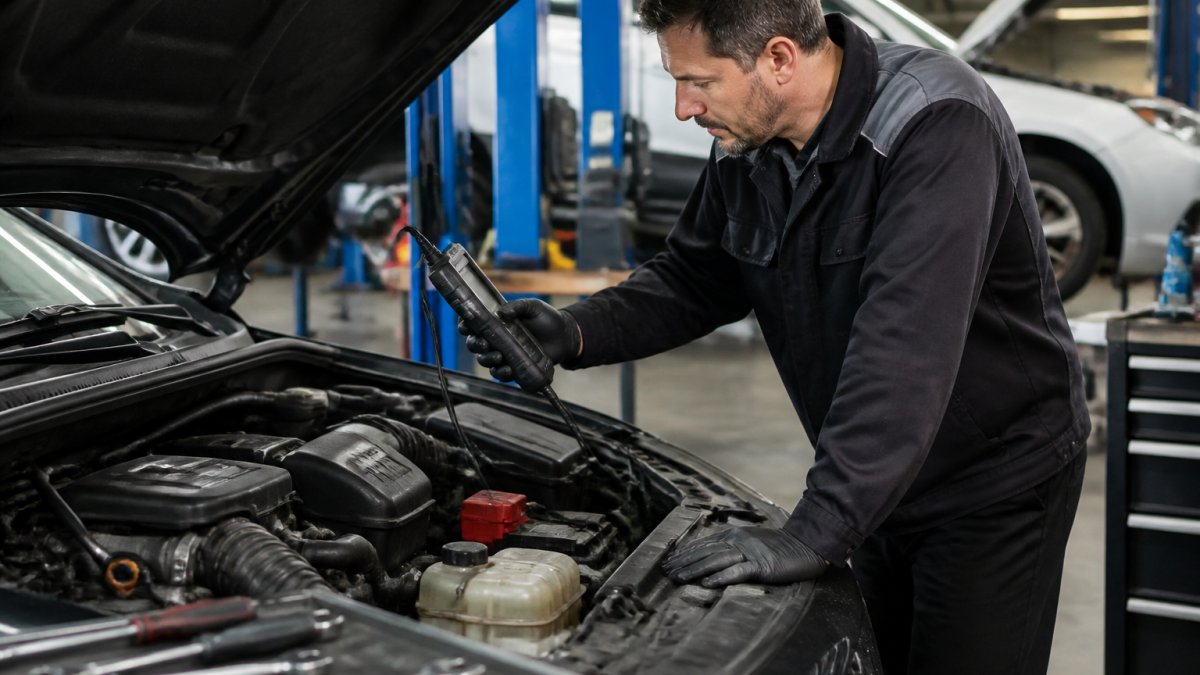
Ask the mechanic if they've worked on this vehicle's make and model before. Some vehicles have quirks that experienced technicians know about. A mechanic familiar with your vehicle can spot problems faster.
Avoid shops that pressure you to book repairs immediately. A good mechanic gives you the report and lets you decide. They don't use the inspection as a sales pitch for repairs.
Negotiating After Inspection Results
The inspection report is your negotiating tool. Use it to make a strong case for a lower price or repairs.
If the mechanic finds minor issues, decide if you want to negotiate. Small repairs like a new air filter or wiper blades aren't worth negotiating over. They're cheap and easy to fix yourself.
If the mechanic finds major issues, you have use. A transmission problem, engine damage, or frame rust are expensive. Get repair estimates from your mechanic. Use those estimates in your negotiation.
Approach the seller with facts, not emotions. Say: "The inspection found a transmission issue. A local shop estimates repairs at $2,500. I'd like to reduce the purchase price by that amount." This is clear and reasonable.
The seller might agree to fix the problems instead of lowering the price. That's also acceptable. Get the repairs in writing. Specify exactly what gets fixed and which shop does the work.
Some sellers won't negotiate. They might say the price is firm. Then you decide: buy the vehicle as-is, or walk away. Remember, you have the inspection contingency in your purchase agreement. Use it if you need to.
If the inspection finds something severe, like frame damage or a failing engine, consider walking away. These repairs are expensive. They also affect the vehicle's value and safety.
When you're ready to move forward with a purchase, we're here to support your decision with expert guidance.
Frequently Asked Questions
Is a pre-purchase inspection worth the cost?
Yes. A pre-purchase inspection reveals hidden mechanical issues, frame damage, and safety concerns that could cost thousands in repairs after you own the vehicle. It gives you concrete data to negotiate the price down or walk away from a bad deal. The inspection fee is minimal compared to the protection it provides and the leverage it gives you in negotiations.
What are the biggest red flags during a pre-purchase inspection?
Critical red flags include frame damage, active rust, fluid leaks from the engine or transmission, worn brake pads with minimal life remaining, suspension problems, electrical system failures, and fault codes revealed by OBD-II scanner testing. Service records showing repeated repairs for the same issue also signal deeper problems. A comprehensive report will highlight these; use them as grounds to renegotiate or decline the purchase.
Can a dealership refuse a pre-purchase inspection?
A dealership can refuse, but it's a major red flag. Most reputable dealers welcome inspections because they build buyer confidence. If a seller refuses, consider it a contingency trigger, you have grounds to walk away or renegotiate heavily. Always include a pre-purchase inspection contingency clause in your purchase agreement so you can back out guilt-free if issues emerge.
How long does a professional pre-purchase inspection take?
A thorough pre-purchase inspection typically takes 1 to 2 hours, depending on vehicle age, mileage, and condition. The mechanic will test drive the vehicle, check the undercarriage, run diagnostic scans, review service records, and compile a detailed report. Plan accordingly when scheduling, and ask your mechanic upfront how long they expect the inspection to take.