 How-to
Vehicle Diagnostic Report: What You Need Today
Table of Contents
- What Is a Vehicle Diagnostic Report and Why It Matters
- Signs Your Car Needs a Diagnostic Check Right Now
- How to Check Car Battery Health During Diagnostics
- The Professional Diagnostic Process Explained
- Cost of Car Diagnostic Test and What Affects Pricing
- DIY vs. Professional Diagnostics: When to Choose Each
- Reading Your Diagnostic Report: Error Codes and Next Steps
- Frequently Asked Questions
Last Updated: October 2, 2026
What Is a Vehicle Diagnostic Report and Why It Matters
A vehicle diagnostic report is a detailed assessment of your car's computer systems, engine performance, and mechanical health generated through specialized diagnostic equipment. Modern vehicles contain dozens of interconnected sensors and control modules that constantly monitor everything from engine combustion to transmission shifting. When something goes wrong, these systems generate diagnostic trouble codes that tell you exactly what needs attention.
Think of it this way: your car is constantly talking to itself through its onboard computer. A diagnostic report translates that conversation into actionable information. Instead of guessing what's wrong based on symptoms, you get a precise, data-backed picture of your vehicle's actual condition.
This matters because the cost difference between catching a problem early and waiting until something fails is enormous. A failing oxygen sensor caught during diagnostics costs a fraction of what you'll pay if it damages your catalytic converter. A comprehensive diagnostic report can prevent expensive cascading failures that would sideline a vehicle for weeks.
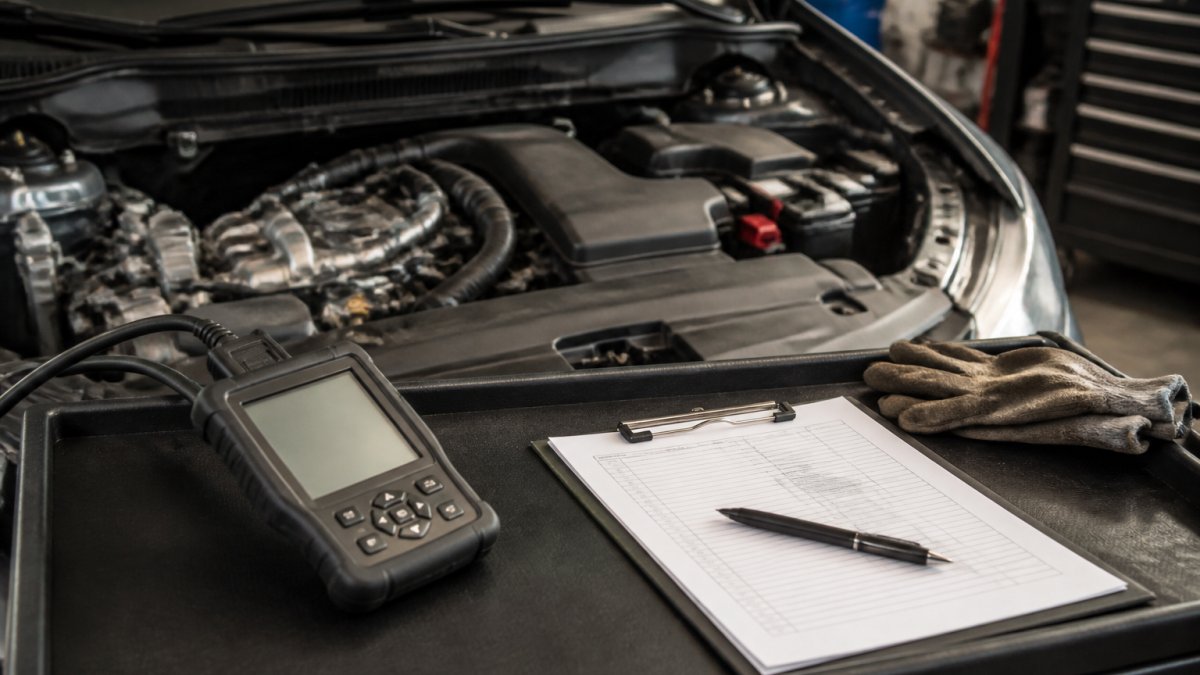
The diagnostic process uses an OBD-II scanner to read your vehicle's electronic control module. This device pulls real-time data and stored fault codes, revealing issues that might not yet show obvious symptoms. You might feel nothing wrong, but the diagnostics catch deteriorating components before they become critical failures.
Signs Your Car Needs a Diagnostic Check Right Now
Your vehicle sends warning signals long before it breaks down completely. The most obvious is the check engine light on your dashboard. This isn't always an emergency, but it's always a signal that something in your engine, emissions, or transmission system needs professional attention. Ignoring it can lead to expensive repairs and failed emissions testing.
Beyond the dashboard warning lights, pay attention to performance changes. If your car hesitates during acceleration, stumbles when cold-starting, or loses fuel efficiency noticeably, these are classic signs of sensor or system problems. Many drivers assume these issues will resolve themselves. They won't.
Strange noises are another red flag. A knocking sound from the engine, grinding from the brakes, or whining from the transmission often point to specific mechanical failures. A diagnostic check can pinpoint whether you're dealing with something minor or a serious problem requiring immediate attention.
Transmission problems show up as delayed shifting, slipping between gears, or jerking during acceleration. Electrical system failures appear as flickering lights, dead batteries despite recent replacement, or dashboard gauges behaving erratically. Any of these warrant a professional diagnostic scan to understand what's actually happening inside your vehicle's systems.
If your vehicle is due for routine maintenance or you're planning a road trip, getting a diagnostic check ahead of time is smart preventative maintenance. It identifies problems while you still have control over the timing and cost, rather than facing an emergency breakdown.
How to Check Car Battery Health During Diagnostics
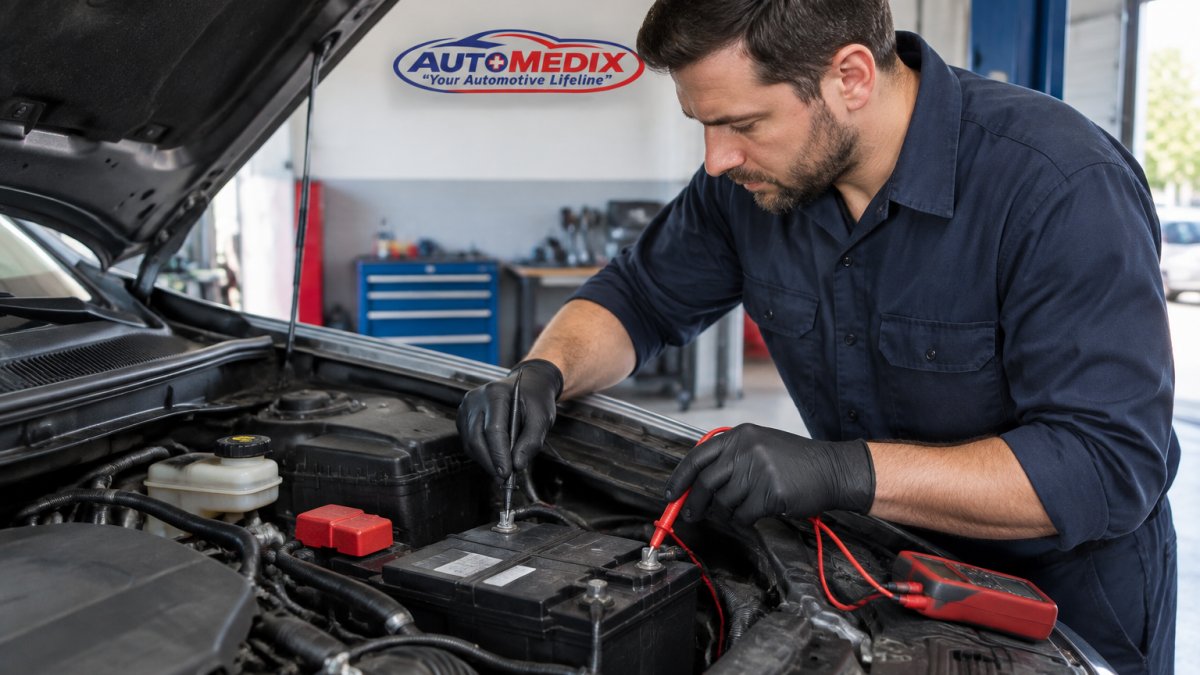
Your battery's condition directly affects how well your vehicle's diagnostic systems function. A weak battery can actually trigger false diagnostic trouble codes, making troubleshooting more difficult. During a professional diagnostic, technicians check battery voltage and load capacity to ensure accurate readings.
A healthy battery should measure around 12.6 volts when the engine is off. When running, it should stay between 13.5 and 14.5 volts. If voltage drops below 12 volts, the battery is failing and needs replacement. Many diagnostic issues trace back to a weak battery that can't properly power the vehicle's sensor network.
The alternator works with your battery to keep it charged while the engine runs. If the alternator is failing, your battery will drain even with a new battery installed. A comprehensive diagnostic checks both components together because they're interdependent. One failing component can mask problems in the other.
Cold weather accelerates battery deterioration. If your vehicle struggles to start in winter, that's a strong indicator that battery health is declining. Rather than waiting for a complete failure, having diagnostics run before winter arrives lets you address battery issues proactively.
Technicians test battery condition as part of every diagnostic scan. A failing battery can be replaced before it causes secondary electrical problems throughout your vehicle's systems. This preventative approach can save money by stopping problems before they cascade.
The Professional Diagnostic Process Explained
The professional diagnostic process starts with a conversation. A technician listens to your description of symptoms and reviews your vehicle's service history. This context helps guide the diagnostic investigation toward the most likely problem areas.

Next comes the computerized scan using an OBD-II scanner. This device connects to your vehicle's diagnostic port and reads all stored and pending fault codes. The scanner retrieves real-time data from dozens of sensors: oxygen sensors, mass airflow sensors, throttle position sensors, and countless others. This data creates a comprehensive picture of what's actually happening in your engine and emissions systems.
Once codes are retrieved, the technician interprets them. A code like P0420 means your catalytic converter isn't functioning properly, but it doesn't tell you why. The technician uses manufacturer specifications and testing procedures to determine whether the problem is the converter itself, a faulty oxygen sensor, or an exhaust leak.
Physical inspection follows the computer diagnostics. The technician visually examines relevant systems based on what the diagnostics revealed. If transmission codes appear, they check fluid level and condition. If electrical codes show up, they test connections and wiring. This multi-point inspection confirms what the computer found and catches problems that might not yet trigger codes.
Finally, the technician creates a detailed diagnostic report. This document lists every code found, explains what each one means, identifies the root cause, and recommends necessary repairs. A transparent diagnostic report separates critical safety issues from routine maintenance, so you understand what needs immediate attention versus what can wait.
Cost of Car Diagnostic Test and What Affects Pricing
The cost of a diagnostic test depends on several factors. Basic diagnostic scans that simply pull codes cost less than comprehensive diagnostics that include extensive testing and physical inspection. The complexity of your vehicle also matters. Newer vehicles with advanced computer systems sometimes require more specialized equipment and expertise.
Some shops charge a flat fee for diagnostics, while others charge hourly rates. A simple code retrieval might take 30 minutes, while diagnosing a complex intermittent electrical problem could take several hours. The most transparent shops explain upfront what their diagnostic fee covers and what additional charges might apply if repairs are needed.
Many reputable shops credit the diagnostic fee toward repair costs if you proceed with their recommended repairs. This approach aligns the shop's incentive with your interest in getting accurate diagnostics rather than unnecessary work.
Your vehicle's age and complexity affect diagnostic costs. A 2026 model with advanced emissions controls and multiple computer modules requires more sophisticated diagnostic equipment than an older vehicle. Import vehicles sometimes need specialized scanners and technical knowledge, which can increase diagnostic costs.
The key is getting transparent pricing upfront. A shop that won't tell you the diagnostic cost before starting work is a shop to avoid. Professional diagnostics should come with a clear explanation of what's included and what you'll pay.
DIY vs. Professional Diagnostics: When to Choose Each
DIY diagnostic tools have become more accessible and affordable. Basic Bluetooth OBD-II scanners connect to your smartphone and can pull fault codes for under $30. These tools work on most vehicles manufactured after 1996 and provide the same codes a professional scanner retrieves.
The advantage of DIY diagnostics is cost and convenience. You can scan your vehicle anytime without scheduling an appointment. If you're technically inclined and comfortable interpreting codes, you might resolve simple issues yourself.
The disadvantage is significant. A code tells you which system is malfunctioning, not what caused the malfunction. A P0128 code means your engine isn't reaching operating temperature quickly enough. It could mean a failing thermostat, a weak water pump, a faulty temperature sensor, or several other issues. Without proper diagnostic procedures and manufacturer specifications, you might replace expensive components unnecessarily.
Professional diagnostics include expertise that DIY tools cannot provide.
Reading Your Diagnostic Report: Error Codes and Next Steps
Your diagnostic report should explain error codes in plain language, not just technical jargon. A good report lists the code, describes what it means, explains what the technician found during testing, and recommends specific repairs.
| Diagnostic Type | Best For | Scope | Typical Timeline |
|---|---|---|---|
| Basic Code Scan | Quick problem identification | Retrieves stored codes only | 15-30 minutes |
| Comprehensive Diagnostic | Complete vehicle assessment | Codes + real-time data + physical inspection | 1-2 hours |
| Specialized Diagnostics | Complex intermittent issues | Extended testing under various conditions | 2-4 hours |
| Pre-Purchase Inspection | Buying a used vehicle | Full system evaluation before purchase | 1-3 hours |
Frequently Asked Questions
What is included in a professional vehicle diagnostic report?
A comprehensive vehicle diagnostic report includes fault code retrieval from your vehicle's onboard computer, real-time data on engine performance and sensor readings, identification of any dashboard warning indicators, transmission diagnostics if applicable, electrical system analysis, and a detailed breakdown of what each code means. The report explains which issues are critical for safety and which can wait, helping you prioritize repairs and avoid unnecessary work.
How often should you get a vehicle diagnostic test?
Most vehicles benefit from a diagnostic scan when the check engine light appears or if you notice performance issues. For preventative maintenance, many technicians recommend a comprehensive diagnostic every 12 months or before long trips. If your vehicle is older or has high mileage, more frequent diagnostics help catch problems early. A pre-purchase inspection diagnostic is essential before buying a used vehicle to uncover hidden issues.
How to check engine light codes without going to a shop?
You can retrieve basic diagnostic trouble codes using an aftermarket OBD-II scanner, available at auto parts stores. However, these tools only read codes, they don't diagnose the root cause. A professional diagnostic provides computerized analysis that interprets what the codes mean, tests related systems, and identifies whether the problem is a faulty sensor, fuel system issue, ignition system failure, or something else entirely. Professional diagnostics give you the full picture needed to make repair decisions.
Will getting a vehicle diagnostic report lead to unnecessary repairs being recommended?
A thorough diagnostic identifies what's wrong with your vehicle based on actual data, not guesswork. The report separates critical safety issues from maintenance items that can wait. You receive a transparent breakdown of findings with repair estimates, giving you control over which repairs to authorize. This prevents the guesswork and overselling that can happen without proper diagnostics, letting you make informed decisions about your vehicle's health.