 Ultimate guide
Car Maintenance Pricing Guide for St. Augustine
Table of Contents
- Understanding Car Maintenance Costs in St. Augustine
- The 30-60-90 Mile Maintenance Schedule and What to Expect
- Average Cost of 30K Mile Service and Common Repairs
- How to Compare Mechanic Estimates and Avoid Overpaying
- Getting an Accurate Car Maintenance Cost Estimate
- Routine Maintenance Services and Their Role in Cost Prevention
- Finding a Trustworthy Mechanic and Repair Shop
- Frequently Asked Questions
Last Updated: October 14, 2026
Understanding Car Maintenance Costs in St. Augustine
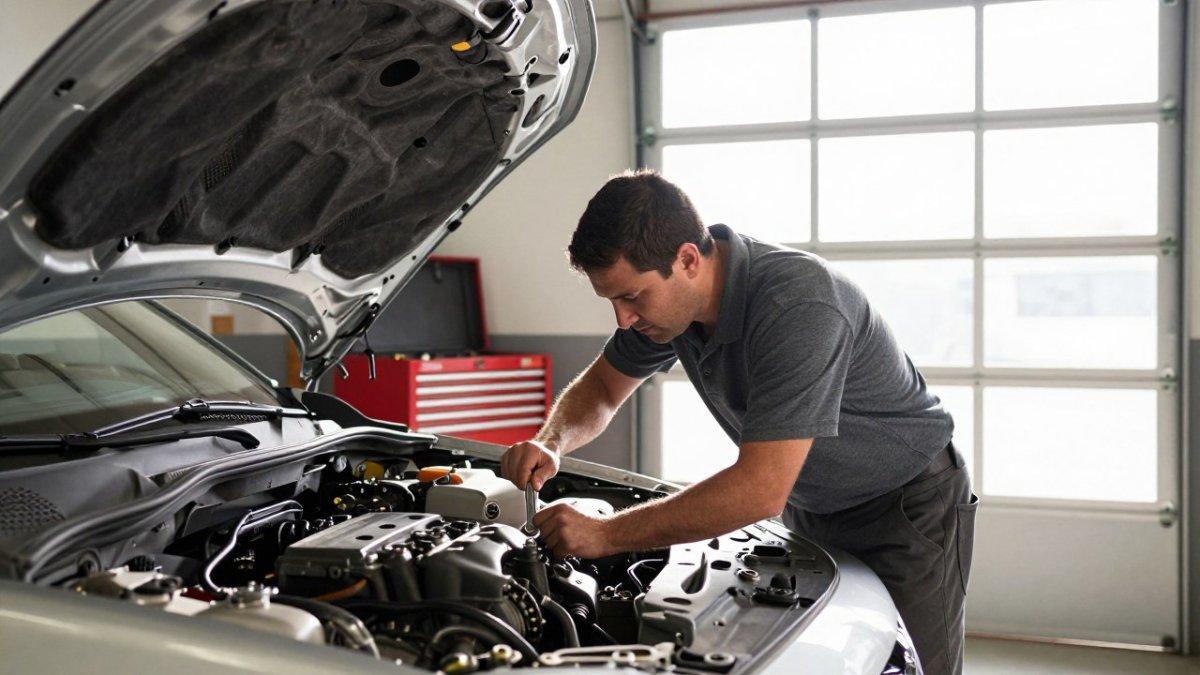
Car maintenance pricing varies significantly based on your vehicle type, age, and the specific services required. At AutoMedix, we help vehicle owners understand what drives these costs so they can make informed decisions about their repairs and maintenance.
Several factors influence what you'll pay for routine maintenance and repairs. Labor rates in the region, the cost of parts specific to your vehicle's make and model, local taxes, and whether you choose an independent shop or dealership all play roles in your final bill.
The 30-60-90 Mile Maintenance Schedule and What to Expect
The 30-60-90 mile maintenance schedule represents critical service intervals that protect your vehicle's longevity and performance. These milestones align with manufacturer recommendations and help prevent costly repairs down the road. Understanding what happens at each interval helps you budget for upcoming maintenance and plan accordingly.
30,000-Mile Service Breakdown
At 30,000 miles, your vehicle typically needs an oil and filter change, air filter inspection, and fluid level checks. Many vehicles also require transmission fluid evaluation and brake system inspection at this point.
Oil changes form the foundation of routine maintenance. Fresh oil keeps your engine running smoothly and reduces wear on internal components. Most vehicles need synthetic or conventional oil changes every 5,000 to 7,500 miles, meaning multiple oil changes occur between the major 30,000-mile service.
60,000-Mile Service Breakdown
The 60,000-mile service marks a significant maintenance checkpoint where more substantial work often becomes necessary. Transmission fluid replacement is common at this interval for many vehicles. Spark plugs may need replacement depending on your vehicle's age and type.
Coolant system flushing often happens at the 60,000-mile mark to prevent corrosion and maintain proper engine temperature regulation. Suspension components like tie rods and ball joints may require inspection for wear.
90,000-Mile Service Breakdown
The 90,000-mile service represents the most comprehensive maintenance checkpoint and often involves the highest costs. Transmission fluid and filter replacement are standard at this interval. Spark plug replacement is typically required unless your vehicle uses long-life plugs.
Suspension system components often need replacement or significant maintenance at 90,000 miles. Shock absorbers and struts may show wear, affecting ride quality and handling.
Average Cost of 30K Mile Service and Common Repairs
The average cost of a 30,000-mile service depends heavily on your vehicle's make, model, and condition. Labor costs vary by shop location and technician expertise.
Common repairs at the 30,000-mile interval include brake pad replacement, air filter changes, and spark plug replacement for some vehicle types.
The relationship between maintenance costs and vehicle longevity is direct. Regular service prevents small problems from becoming expensive failures.
How to Compare Mechanic Estimates and Avoid Overpaying
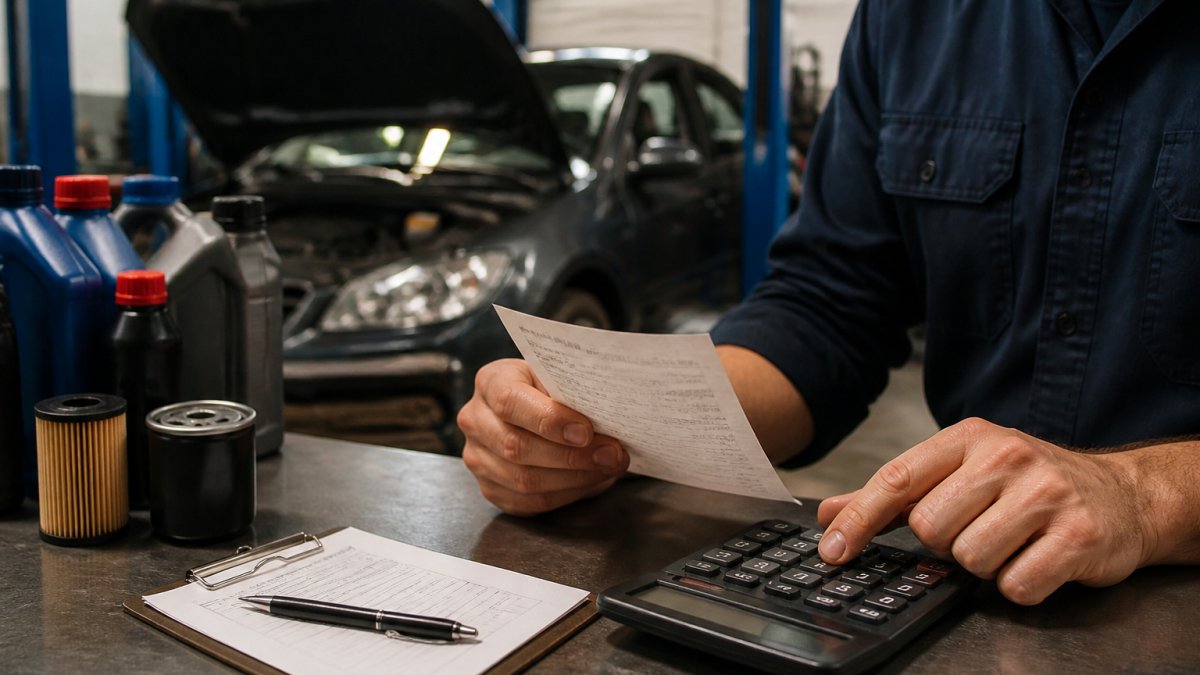
Getting multiple estimates is the most effective way to ensure fair pricing for your car maintenance. Written estimates allow you to compare labor costs, parts pricing, and the scope of work recommended. Many shops provide estimates at no charge, making this comparison process risk-free.
What to Look for in a Written Estimate
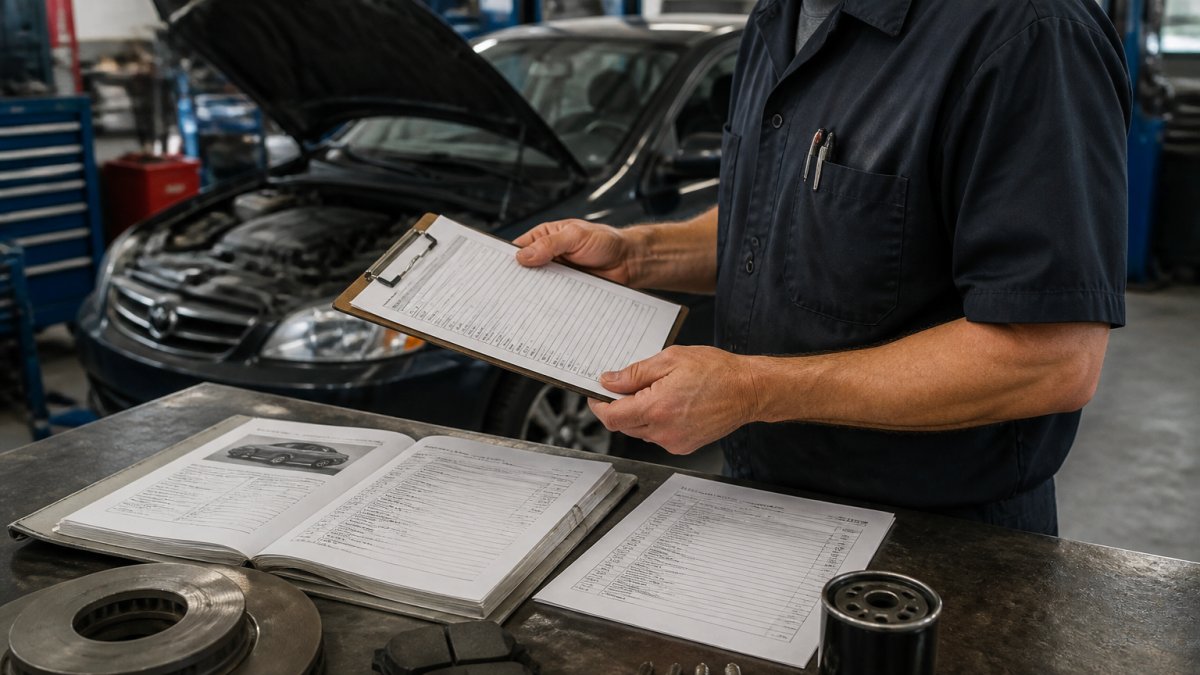
A quality written estimate includes specific line items for labor and parts. Labor should show the hours estimated for each task plus the hourly rate.
Total pricing should be transparent with no hidden fees. The estimate should note the vehicle's year, make, model, and current mileage to ensure accuracy. A good estimate also includes the shop's warranty on parts and labor.
Red Flags in Repair Recommendations
Recommendations to replace parts that aren't worn or broken suggest the shop may be overselling. A mechanic recommending transmission fluid replacement at 25,000 miles when your manufacturer specifies 60,000 miles is a red flag.
Vague descriptions like "general inspection" without specific findings indicate insufficient diagnostic work. Refusing to show you the worn component or provide before-and-after photos of the problem raises concerns about whether the repair is necessary.
Getting an Accurate Car Maintenance Cost Estimate
Accurate estimates require detailed information about your vehicle and its history. The shop needs to know your vehicle's complete maintenance history to avoid recommending services already completed. Your driving habits and conditions affect maintenance needs, and a good shop will ask about these factors.
Factors That Affect Your Final Bill
Your vehicle's age and mileage directly impact maintenance costs. Newer vehicles often have lower labor costs for routine maintenance but may require more expensive parts or specialized diagnostic equipment.
Your vehicle's make and model influences parts availability and labor time. Luxury brands typically cost more for both parts and labor.
The type of repair facility matters significantly. Independent shops typically charge lower labor rates than dealerships but may use aftermarket parts instead of OEM components.
Seasonal and Coastal Driving Considerations
Seasonal weather affects maintenance needs and repair urgency. Winter driving in northern climates increases brake wear and battery drain. Coastal environments like those in St.
Humidity and temperature fluctuations in coastal areas affect fluid performance and component longevity. Brake fluid absorbs moisture, requiring more frequent flushing in humid climates. Tire pressure changes with temperature, making more frequent pressure checks necessary.
Routine Maintenance Services and Their Role in Cost Prevention
Routine maintenance is the most cost-effective way to manage your vehicle's long-term expenses. Regular service prevents small problems from developing into major failures. Understanding which services matter most helps you prioritize spending and avoid unnecessary work.
Oil Changes and Fluid Maintenance
Oil changes form the foundation of vehicle maintenance. Fresh oil protects engine components from wear and heat damage. Regular oil changes catch small problems early when technicians can spot leaks, worn seals, or other issues during service.
Transmission fluid, coolant, and brake fluid require periodic replacement or flushing. These fluids degrade over time, losing their protective properties. Preventive fluid maintenance costs far less than transmission or cooling system repairs.
Brake Service and Tire Maintenance
Brake service includes pad replacement, rotor inspection, and fluid flushing. Regular brake inspections catch wear early, preventing rotor damage and more expensive repairs. Brake fluid flushing removes moisture and contaminants, maintaining braking performance and safety.
Proper tire maintenance extends tire life and improves fuel efficiency. Regular rotation ensures even wear, maximizing the lifespan of your tires. Wheel alignment prevents pulling and uneven wear that shortens tire life dramatically.
Vehicle Inspections and Diagnostics
Professional vehicle inspections identify problems before they become serious. Comprehensive inspections check all major systems including engine, transmission, suspension, brakes, and electrical systems. Early problem detection through inspection prevents unexpected breakdowns and expensive emergency repairs.
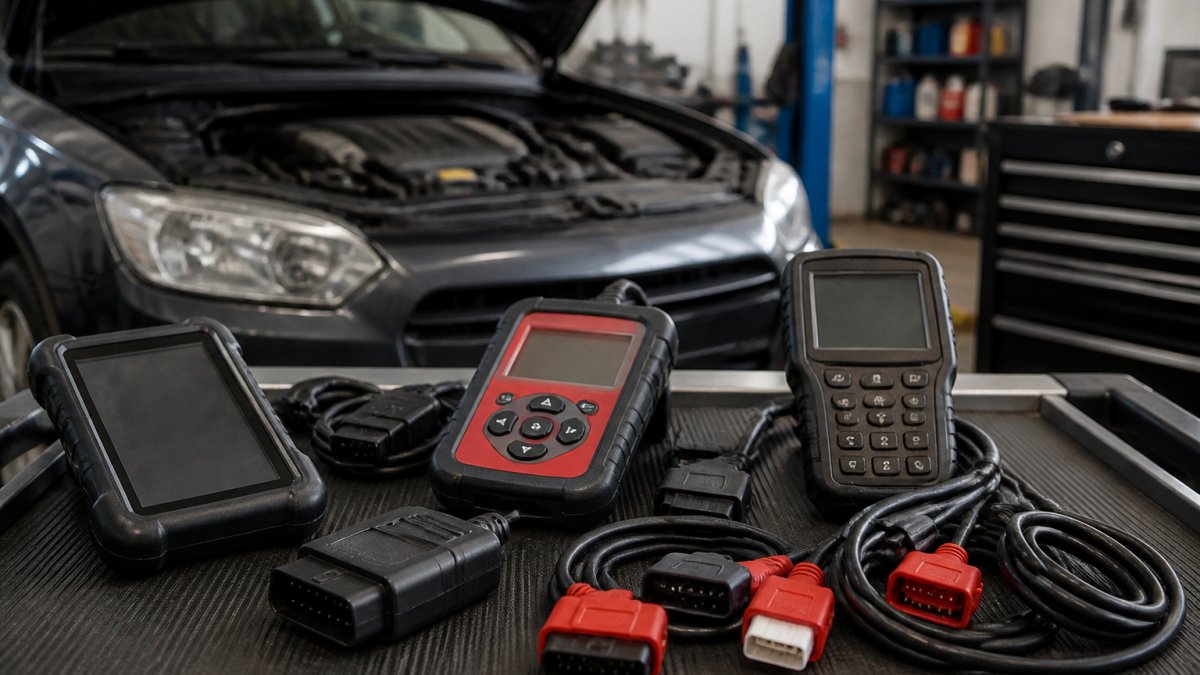
Computer diagnostics reveal issues invisible to the naked eye. Modern vehicles use complex computer systems that require specialized diagnostic equipment. A proper diagnostic scan identifies fault codes and helps technicians understand exactly what needs repair.
Finding a Trustworthy Mechanic and Repair Shop
Finding a reliable shop is as important as understanding maintenance costs. A trustworthy mechanic builds relationships with customers based on honest recommendations and fair pricing. The right shop becomes your partner in vehicle care, helping you make smart maintenance decisions.
What to Look for in Shop Ratings and Reviews
Customer reviews provide insight into shop reliability and fairness. Look for patterns in reviews rather than individual comments. Consistent praise for honest pricing and quality work indicates a trustworthy shop. Multiple complaints about unnecessary repairs or pressure selling suggest problems.
Verified review platforms provide more reliable feedback than unmoderated sources. Shops that respond professionally to negative reviews demonstrate commitment to customer satisfaction. Years in business indicate stability and customer trust.
Independent Shops vs. Dealerships: Pricing and Service Differences
Independent shops typically offer lower labor rates than dealerships while maintaining quality standards.
Dealerships provide manufacturer expertise and OEM parts guaranteed to meet specifications. Dealership technicians receive factory training on specific vehicle models.
At AutoMedix, our skilled technicians handle everything from routine maintenance to major overhauls across all vehicle types.
Finding the right balance between preventive maintenance and necessary repairs protects your vehicle investment.
Frequently Asked Questions
How much should I estimate for routine car maintenance annually?
Annual car maintenance costs depend on your vehicle's age, mileage, and condition. Newer vehicles typically cost less, while older ones may require more frequent repairs. Budget-conscious owners should plan for regular oil changes, tire rotations, and inspections. The best approach is to follow your vehicle's manufacturer maintenance schedule and get a professional assessment. A trusted mechanic can provide a car maintenance cost estimate based on your specific vehicle and driving habits.
What is included in a 30-60-90 mile maintenance schedule?
The 30-60-90 mile maintenance schedule refers to recommended service intervals at 30,000, 60,000, and 90,000 miles. At 30,000 miles, most vehicles need an oil change, filter replacement, and inspection. The 60,000-mile service typically includes transmission fluid check, spark plugs, and brake inspection. At 90,000 miles, coolant and fuel filter changes are often due. Always consult your owner's manual, as intervals vary by manufacturer and vehicle type. Following this schedule prevents costly repairs and extends your vehicle's life.
How can I compare mechanic estimates to ensure I'm getting fair pricing?
When comparing mechanic estimates, request written quotes that itemize labor costs, parts costs, and the specific work needed. Verify that all estimates reference the same repairs and parts quality. Check that labor rates are reasonable for your area and that the shop clearly explains what's essential versus optional work. Ask questions about warranty coverage on parts and labor. Get at least two or three estimates from different shops before deciding. Be cautious of estimates that are significantly lower than others, as they may indicate inferior parts or rushed work.
What factors affect the final cost of a car maintenance estimate?
Several factors influence your car maintenance cost estimate: your vehicle's make and model, current mileage and age, local labor rates, parts availability, and the severity of any issues found during inspection. Newer vehicles with complex computer systems may cost more to diagnose and repair. Coastal environments like St. Augustine require more frequent brake and suspension maintenance due to salt exposure. Your choice of shop also matters, dealerships typically charge more than independent mechanics. Always ask how vehicle type, parts quality, and warranty options affect your final price.
How do I know if a repair recommendation is necessary or just a sales tactic?
Request a detailed explanation of any recommended repair, including why it's needed and the consequences of delaying it. Ask your mechanic to distinguish between critical repairs that affect safety and optional maintenance. Verify recommendations by getting a second opinion if you're unsure. Check your vehicle's maintenance schedule to see if the service aligns with manufacturer guidelines. A trustworthy mechanic will show you the problem (worn brake pads, fluid leaks, etc.) and explain the timeline. Be wary of shops that pressure you into immediate, expensive repairs without clear justification.
What's the difference between independent repair shops and dealerships in terms of cost?
Dealerships typically charge higher labor rates and may recommend more frequent service intervals than independent shops. However, they use factory-approved parts and employ technicians certified for your specific vehicle brand. Independent mechanics often have lower overhead costs, resulting in lower labor rates, but quality varies by shop. Both can provide excellent service, the key is finding a trustworthy mechanic with good reviews and transparent pricing. For routine maintenance and common repairs, independent shops often offer better value. For warranty-covered work or complex computer diagnostics, dealerships may be necessary.
Should I follow my vehicle manufacturer's maintenance schedule exactly?
Yes, following your vehicle manufacturer's maintenance schedule is the best way to prevent costly repairs and maintain reliability. The schedule is based on engineering data specific to your vehicle's components and driving conditions. Skipping or delaying recommended maintenance can void warranties and lead to expensive failures. However, if you drive in severe conditions (towing, frequent short trips, or coastal environments), you may need more frequent service. Consult your owner's manual for your vehicle's specific schedule, and discuss any concerns with your mechanic about adjustments based on your driving habits.