 How-to
How to Plan Mobility Control Installation for Vehicles
Last Updated: November 2, 2026
Quick Summary
Mobility control installation for vehicles starts with a professional driving assessment by a certified driver rehabilitation specialist, who provides a written recommendation listing the specific controls you need. Then choose your installation type, such as mechanical hand controls or electronic mobility controls, and confirm your vehicle can accept the system before any parts are ordered.
- Ask the specialist for the recommendation in writing for the installer and insurance.
- Mechanical hand controls use push-pull levers or right-angle systems linked to pedals by rods.
- Electronic mobility controls often need module programming and a customized vehicle interface.
- Request a written breakdown of equipment, installation labor, and module programming costs.
- Look for NMEDA certified mobility installers and check NHTSA guidance before you buy.
Table of Contents
- Step 1: Get a Driving Assessment for Adaptive Equipment
- Step 2: Choose Your Mobility Control Installation Type and Check Vehicle Compatibility
- Step 3: Understand Vehicle Hand Controls Installation Cost and Insurance
- Frequently Asked Questions
Step 1: Get a Driving Assessment for Adaptive Equipment
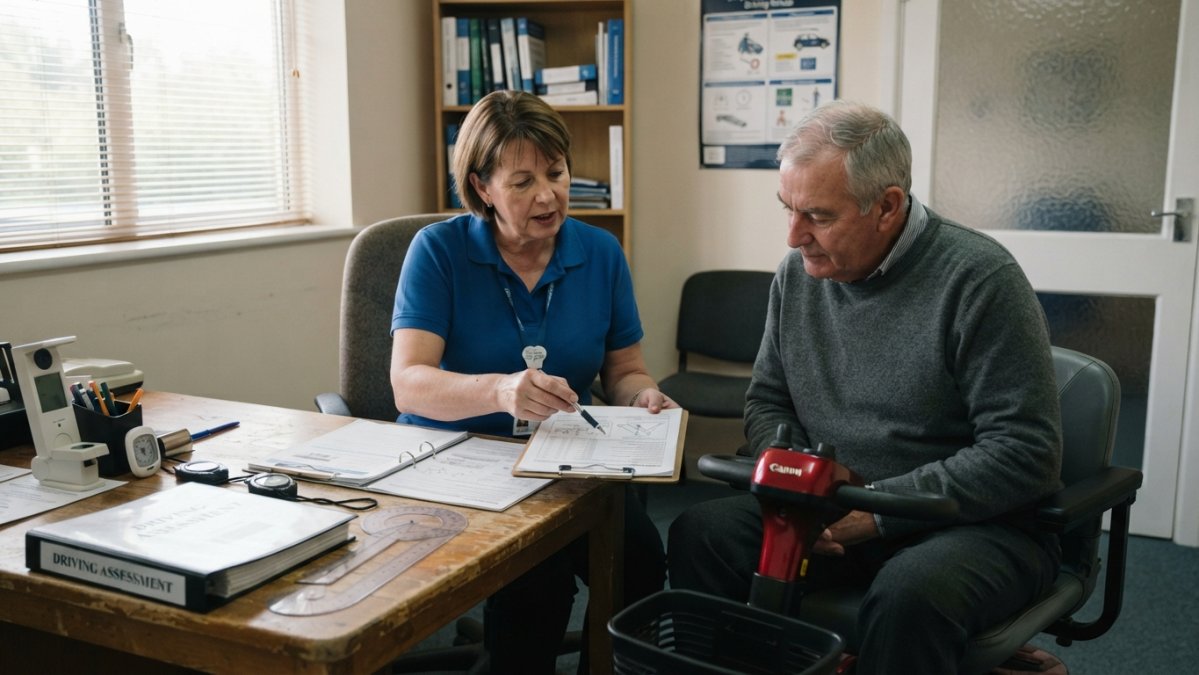
Mobility control installation for vehicles starts with a professional driving assessment, not a parts order. A certified driver rehabilitation specialist evaluates strength, range of motion, reaction time, and vision, then provides an in-vehicle session and a written recommendation listing the specific controls you need, ask for it in writing for the installer and insurance. The Association for Driver Rehabilitation Specialists maintains a directory of credentialed specialists.
Step 2: Choose Your Mobility Control Installation Type and Check Vehicle Compatibility
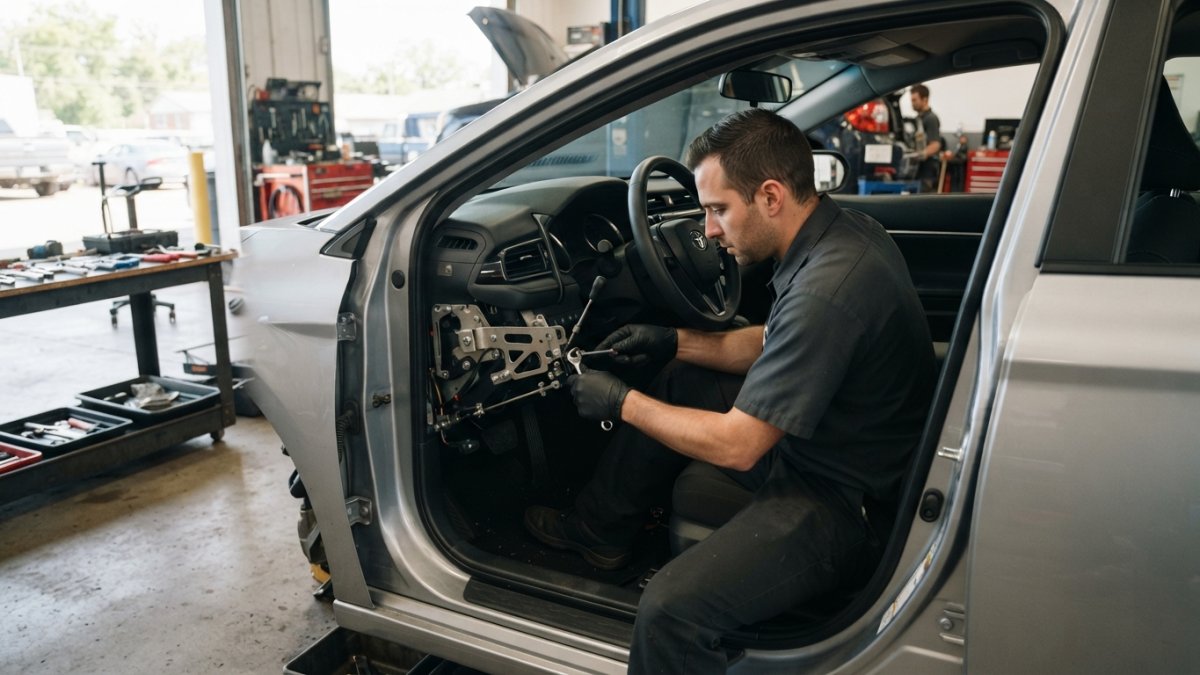
The right mobility control installation depends on which hand controls fit your needs and whether your vehicle can accept them. Mechanical hand controls use push-pull levers or right-angle systems linked to the pedals by rods; electronic mobility controls send signals to the primary driving controls, suiting drivers with very limited strength. Plan also for spinner knobs, pedal extensions, secondary controls, and sometimes transfer seats or a wheelchair accessible vehicle conversion. Compatibility is where projects stall: electronic systems often need module programming and a customized vehicle interface, and not every make accepts every system. Modern vehicles with complex computer diagnostics need a shop that can handle module work.
The main mobility control installation types differ in how they work and who they suit.
| Installation type | How it works | Best for |
|---|---|---|
| Mechanical hand controls | Push-pull levers or right-angle systems linked to pedals by rods | Drivers who can operate levers |
| Electronic mobility controls | Send signals to the primary driving controls | Drivers with very limited strength |
Step 3: Understand Vehicle Hand Controls Installation Cost and Insurance
Vehicle hand controls installation cost varies, so ask any installer for a written breakdown of equipment, installation labor, and module programming. Call your insurer and vocational rehabilitation programs before installation day: many auto insurers cover adaptive equipment as a safety modification, and voc rehab sometimes helps. Used adaptive equipment sells cheap online, but worn levers and untested electronics are a real safety risk, buy new or certified refurbished from a qualified installer and insist on a safety inspection after any install. Look for NMEDA certified mobility installers, and check the National Highway Traffic Safety Administration guidance on vehicle modifications before you buy.
Frequently Asked Questions
How much does mobility control installation for vehicles cost?
Vehicle hand controls installation cost depends on the type of system, your vehicle's make and model, and whether custom fabrication is needed. Mechanical push-pull controls generally cost less than electronic mobility controls, and installation labor varies by shop. Pricing depends on your specific vehicle and adaptive technology needs, so check the AutoMedix website for current information or request a quote. Ask whether the quote includes a safety inspection and any needed pedal extensions.
Does Medicare or insurance cover mobility control installation?
Original Medicare generally does not cover vehicle modifications or adaptive driving equipment, because the vehicle is not considered durable medical equipment. Some Medicare Advantage plans, Medicaid waivers, and vocational rehabilitation programs may help. Auto insurance rarely covers the equipment itself, but it may cover repairs after a crash. Ask your insurer and a certified mobility technician about documentation and reimbursement workflows before you schedule installation.
How do I find NMEDA certified mobility installers near St. Augustine?
Look for a shop with a certified mobility technician on staff and QAP certification through NMEDA, the national mobility equipment dealers association. Ask whether the installer handles electronic and mechanical hand controls, steering wheel spinner knobs, and gas and brake levers for your vehicle type. Confirm they provide a post-installation safety inspection and driver training.
Planning mobility control installation for vehicles near me in St. Augustine means getting the assessment, the equipment, and the installer right, in that order. AutoMedix handles the vehicle side: diagnostics, module programming, and the mechanical work that keeps your adapted vehicle running smoothly. Get started with AutoMedix and drive with confidence.